

INTRODUCTIONS
My name is Jared Zhang, and I have been doing draft evaluations for the past few draft classes. While I started as a hobbyist, I have been blessed with the opportunity to write for a draft publication and intern for an agent during my scouting journey. As a summer scouting project, I have been revising my grading scale based on the historical trend of prospect profiles and their respective draft ranges. There are going to be factors that impact a player’s stock beyond his play at the collegiate level, but I believe that looking at a large enough sample size should filter out many anomalies in draft falls/rises. By fleshing out the parameters for each grading bucket, I should be able to provide clearer, more consistent grading of prospects.
I will be posting my scale for every position throughout the summer (and likely the 2027 draft process) to act as a reference for my positional big boards and as a scouting tool to anyone breaking into the hobby. While I do believe in my scale, I also recognize that my grading scale is not perfect, and I will continue to develop it further. The series will have a universal description of the individual grading buckets and then go more in-depth for that article’s specific position. Let’s break down the specific draft range behind each bucket.
Grading Buckets
Each drafted grade corresponds to an appropriate draft range. While the ranges are listed, prospects can get drafted in the next highest tier due to positional value, class strength, or team need (Ex. an early day two graded OG getting drafted in the late first round). For undrafted grades, they are split into three separate grades based on their position on the roster and likelihood to make the practice squad/active roster. Any player in one of the three undrafted buckets has the potential to realistically win an NFL practice squad/active roster spot. Reject grades comprise every draft prospect who is simply not talented enough to have an NFL future.
Blue Chip - Top 10 draft selection
Day One - First round draft selection
Early Day Two - Second round draft selection
Mid-to-Late Day Two - Third round draft selection
Early Day Three - Fourth/Fifth round draft selection
Mid-to-Late Day Three - Sixth/Seventh round draft selection
PUDFA - Undrafted free agents immediately signed to a team’s 90-man training camp roster who likely make an active roster/practice squad
UDFA - Undrafted free agents immediately signed to a teams’s 90-man training camp who are mainly competing just for practice squad spots
Camp - Undrafted free agents signed to a rookie mini-camp who are competing to make a 90-man training camp spot. Players generally attend multiple camps, and many do get signed to a team’s training camp.
Reject - Undrafted free agents without the potential to be at least practice squad-level players in the NFL. These prospects often still end up signed to mini-camps and make training camp rosters, but they are not talented enough for the NFL.
Now that we have covered the grades, let’s break down Wide Receivers.
Blue Chip
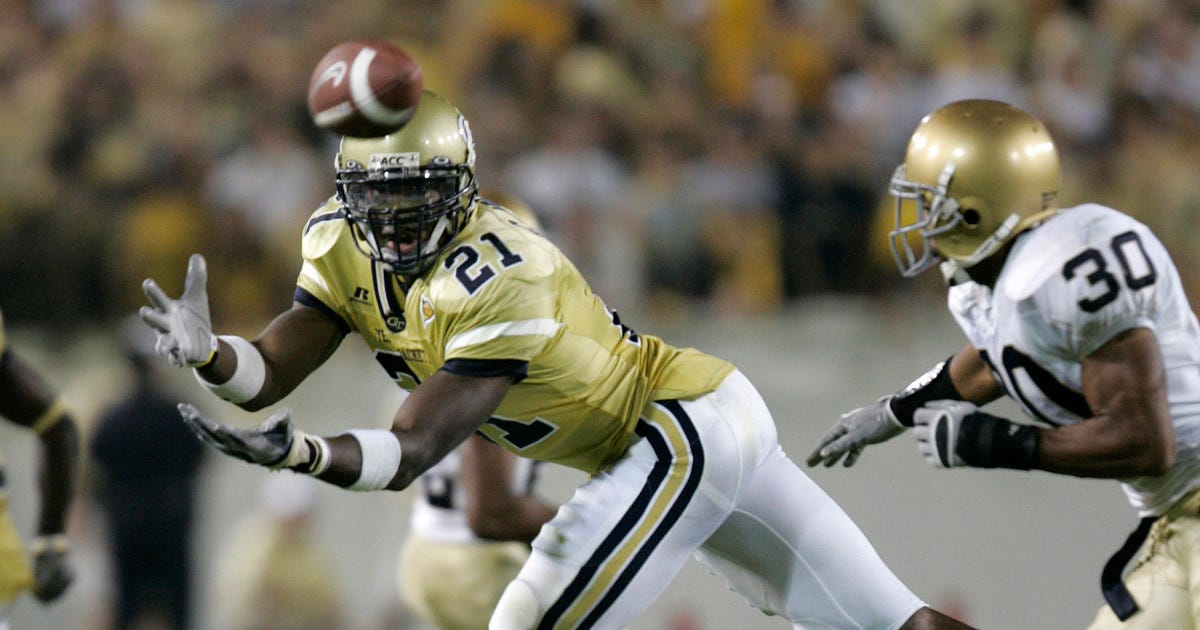
Image 1: Blue Chip Graded WR Calvin Johnson (21) at Georgia Tech
Immediate WR starters with high-end positional tools and separation ability who enter the NFL as quality WR1s. On this grading scale, WR1s are defined as players who consistently separate at three levels, create yards after the catch, and win in contested-catch situations. Due to their physical and technical ability, these players should be effective in a large variety of matchups and game-time situations. By consistently beating coverages and generating yardage, these players force defensive game plans around them and elevate the ceilings of their team’s offense. Examples include Ja’Marr Chase (2021), A.J Green (2011), and Larry Fitzgerald (2004).
Day One
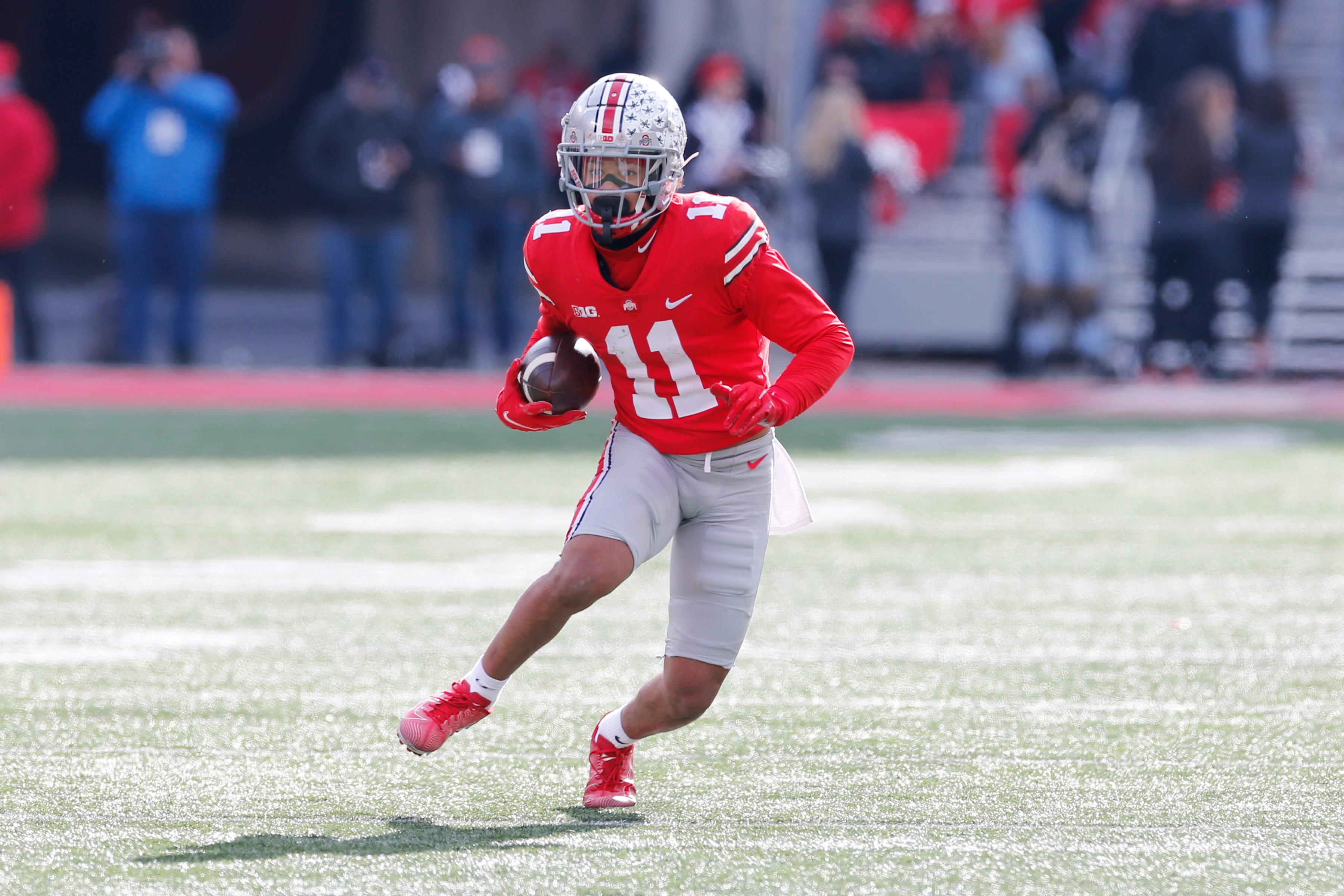
Image 2: First Round Graded WR Jaxson Smith-Njigba (11) at Ohio State
Immediate WR starters with enough physical talent to separate at all three levels and create yards after the catch. While these prospects have the physical talent to be WR1s, many require technical or physical development to reach their potential. For example, they may need to add route running nuance, play strength, and/or effective releases. The difference between day one and blue-chip WR prospects is the combination of refinement and physical tools. Day one WRs may be quality athletes without blue-chip technical refinement or polished separators without blue-chip athletic tools. These prospects should start and contribute immediately as rookies, but some may need time to develop into WR1s. Examples include Tet McMillan (2025), Drake London (2022), and DeVonta Smith (2021).
Early Day Two
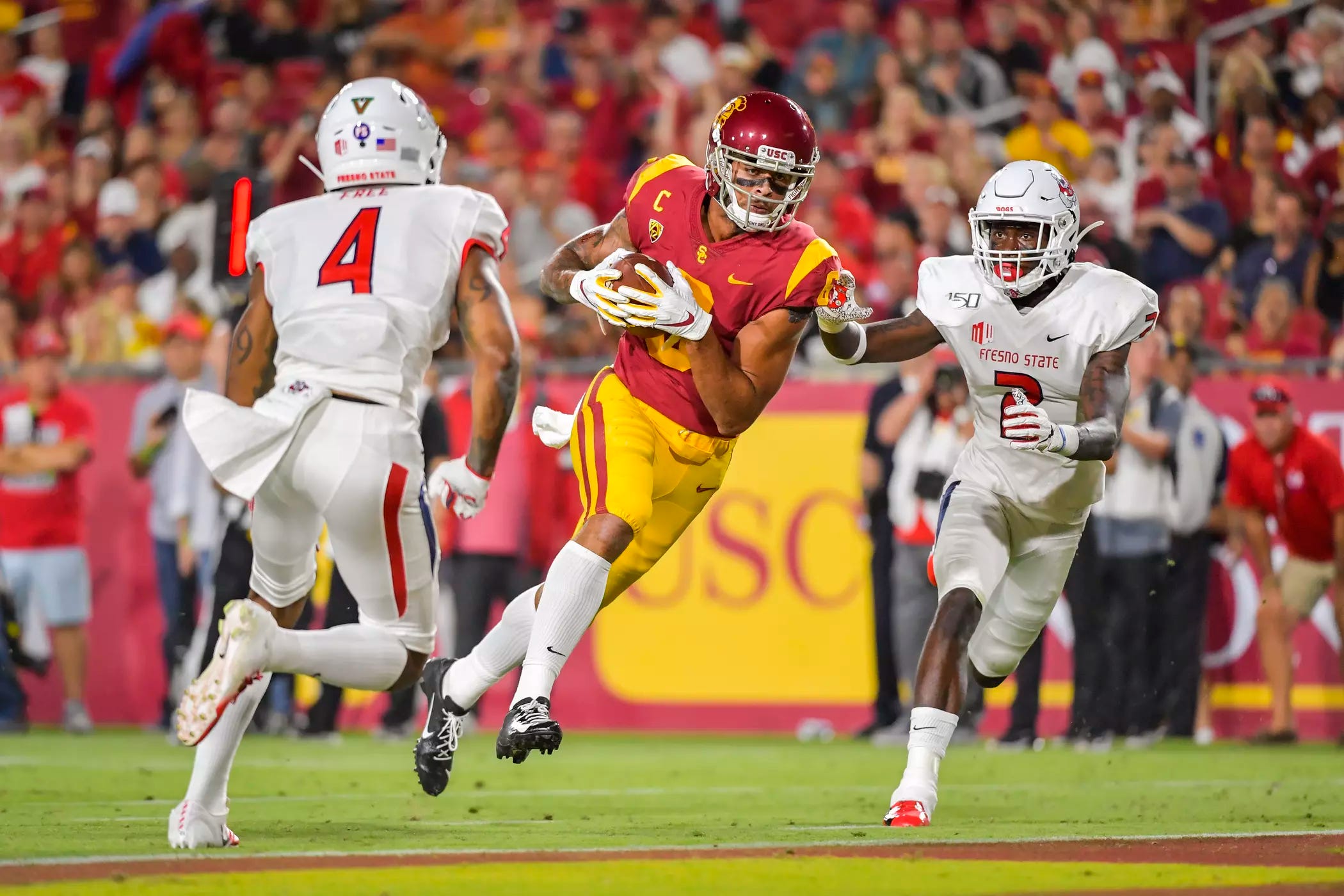
Image 2: Early Day Two Graded WR Michael Pittman Jr (11) at USC
Immediate WR starters with the physical talent and technical refinement to contribute as rookies. However, these prospects lack the talent to project as WR1s. Due to their deficiencies, these prospects will have difficulty with specific matchups or areas of the field (Ex. a deep threat who struggles as an effective short-to-intermediate target). Despite their limitations, these players can be high impact pass catchers when playing alongside a true WR1. If a team lacks a WR1 due to injury or roster construction, then these prospects can scale up their role and be their team’s lead pass catcher (albeit with limitations to their effectiveness). Examples include Ladd McConkey (2024), Wan’Dale Robinson (2022), and Courtland Sutton (2018).
Mid-to-Late Day Two
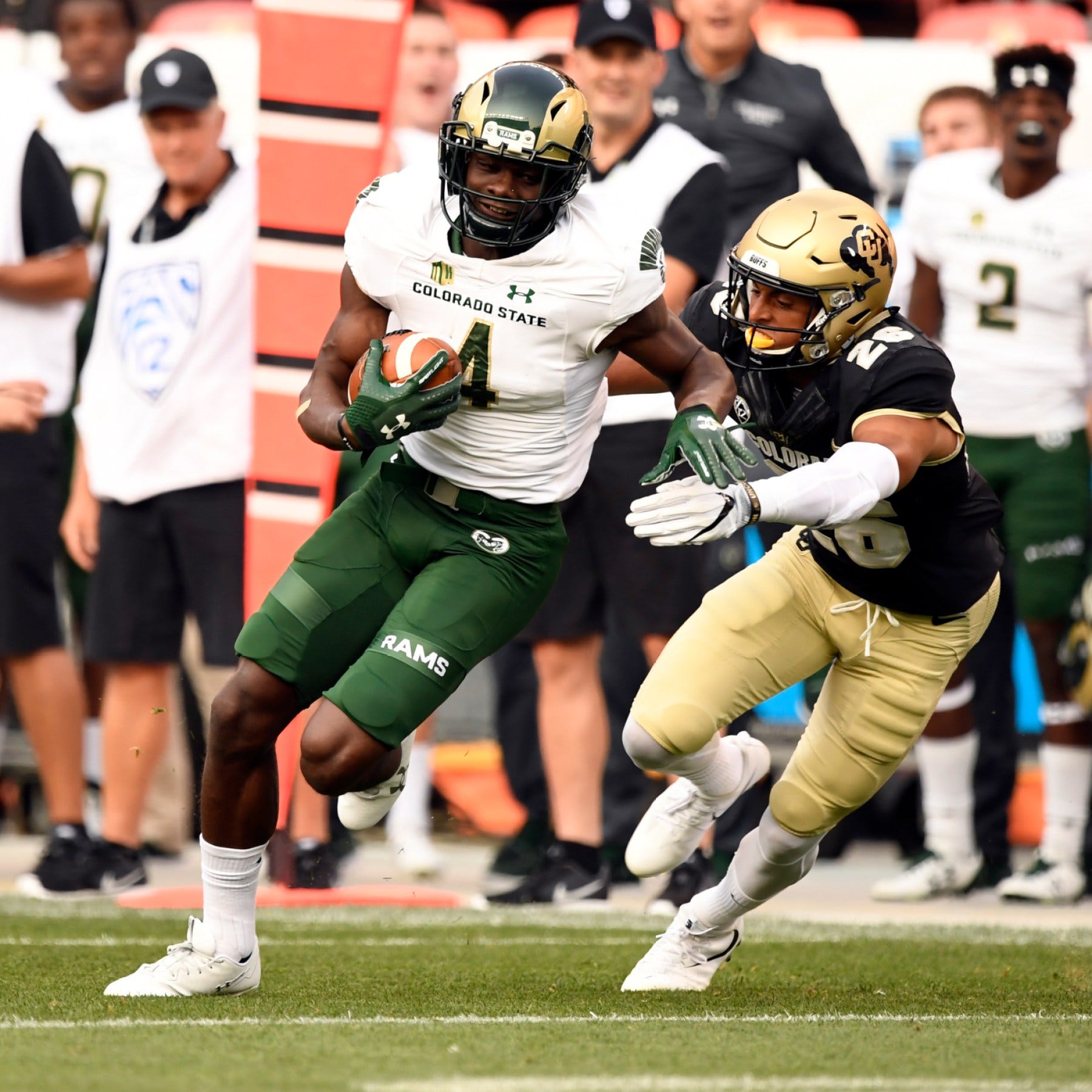
Image 3: Mid-to-Late Day Two Graded WR Michael Gallup (4) at Colorado State
This bucket includes two types of prospects:
The first is made up of high-end HWS athletes with the upside to be WR1s but who require significant development. These prospects commonly need to improve their route running nuance, release package, and/or ball skills. Although they are far from their ceiling, they provide some immediate value through blocking, special teams, or return ability. Even though many will not be starting quality WRs as rookies, these players can still provide immediate value in depth and rotational roles. Examples include Isaac TeSlaa (2025), Cedric Tilman (2023), and Terry McClaurin (2019).
The second is made up of WRs with starting-caliber physical tools and separation ability to be competent role players within an offense. By having a variety of skills (Ex. blocking, RAC/YAC, route running, etc), these prospects will have a year-one impact as complementary pass catchers as full-time starters or rotation players. While they have a high floor, these WRs lack the necessary athletic gifts to scale up to be a team’s lead pass catcher in a pinch. These WRs will be valuable contributors to a team’s offense who will need to be surrounded by more talented pass-catching options. Examples include Pat Bryant (2025), Josh Downs (2023), and Dyami Brown (2021).
Early Day Three
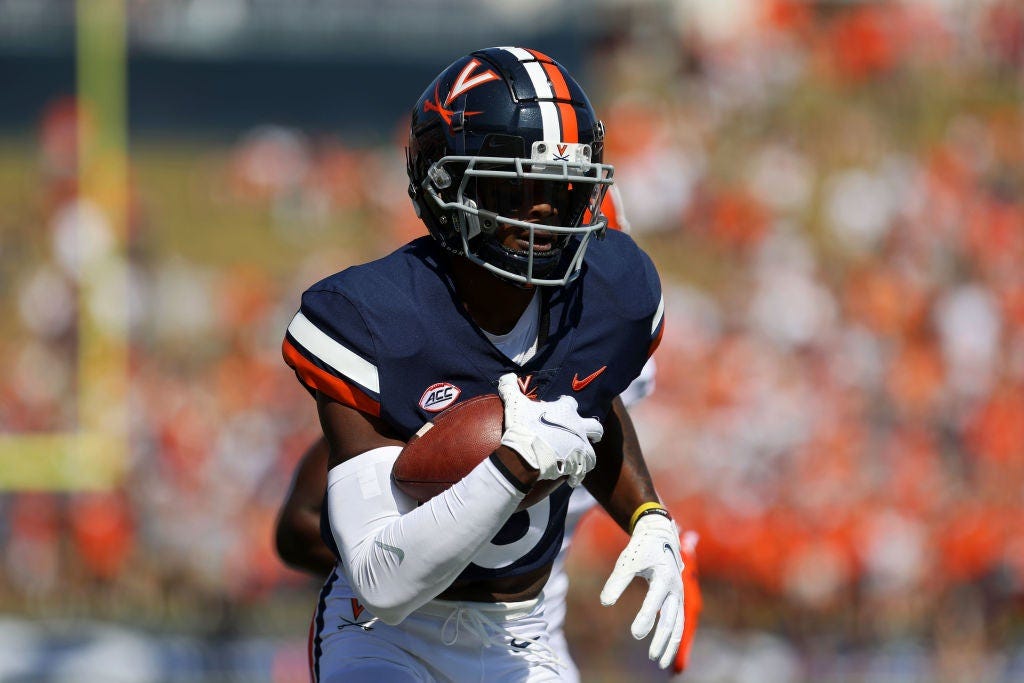
Image 4: Early Day Three Graded WR Dontayvion Wicks (4) at UVA
This bucket includes two different kinds of prospects:
First consists of special-team oriented WRs with good physical traits who enter the NFL with experience as returners or core special teamers. These prospects lack the separation and/or ball skills to earn consistent offensive snaps early in their career, but their physical tools give them developmental upside. By having good physical traits, they are able to develop cleanly into complimentary role players on offense (Ex. a return man can develop into a good YAC/RAC target and field stretcher). Examples include Devontez Walker (2024), Derius Davis (2023), and Mack Hollins (2017)
Second consists of WRs with solid NFL physical traits and refinement to contribute as rotation options as rookies. These WRs generally have a physical or technical issue that prevents them from being viable initial starting options. Commonly, these WRs struggle with poor route running, releases, play strength, or ball skills. As they develop, these WRs have the potential to develop into realistic starting-caliber complimentary pass catchers in their career. Examples include Romeo Doubs (2022), Darnell Mooney (2020), Demarcus Robinson (2016).
Mid-to-Late Day Three
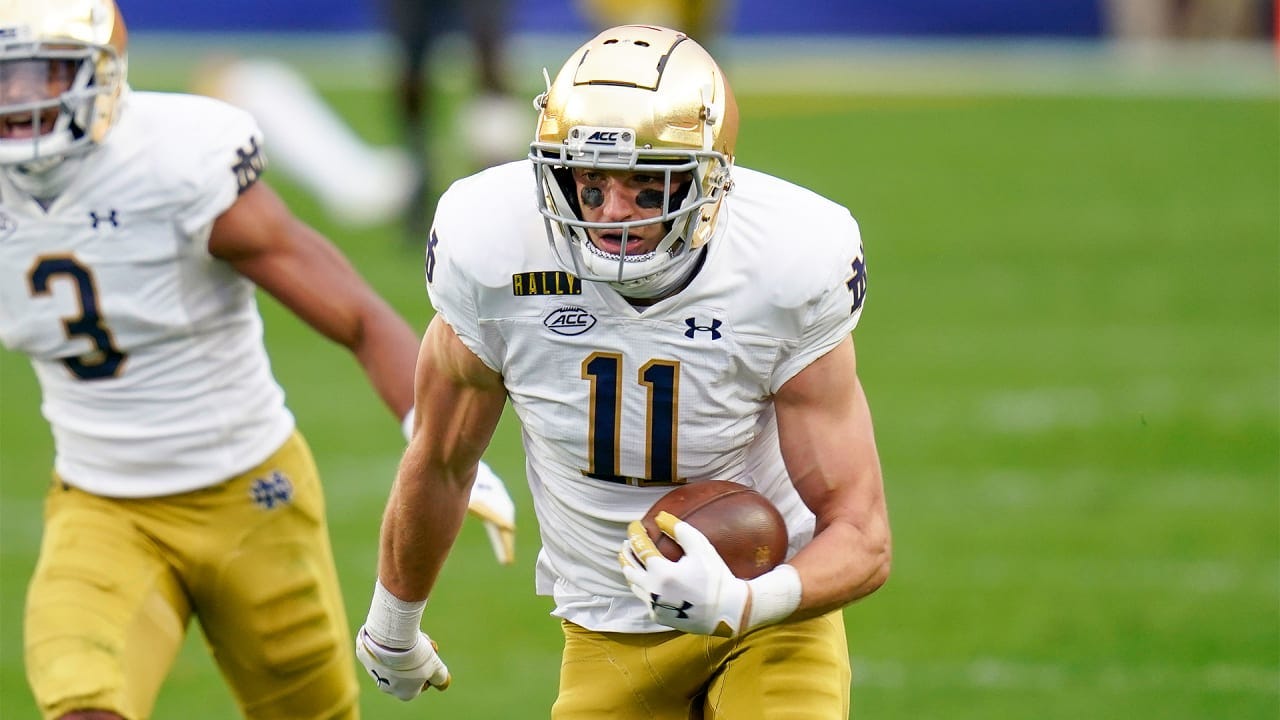
Image 5: Mid-to-Late Day Three Graded WR Ben Skowronek (11) at Notre Dame
This bucket includes two different kinds of prospects.
The first consists of WRs with a playable offensive and/or special team role, but they have major physical limitations that limit their versatility. Whether they lack movement tools or size, these WRs likely cap out as rotational depth WRs who play in case of injury or in a sub-package role. If they are able to perform their role well, then these players can have long NFL careers as back-end of roster WRs. Examples include Tez Johnson (2025), Jordan Whittington (2024), Braxton Berrios (2018)
The second consists of WRs with quality HWS combos but who possess no proven day-one role on offense or special teams. These prospects are usually unrefined collegiate pass catchers with minimal special teams experience. If they can develop their offensive and special teams skill set, then these WRs can provide high-end value for a late-round draft selection. However, their limited day one impact and reliance on development often lead to short tenures on active rosters. Examples include Ryan Flournoy (2024), A.T Perry (2023), and Equanamous St. Brown (2018).
PUDFA
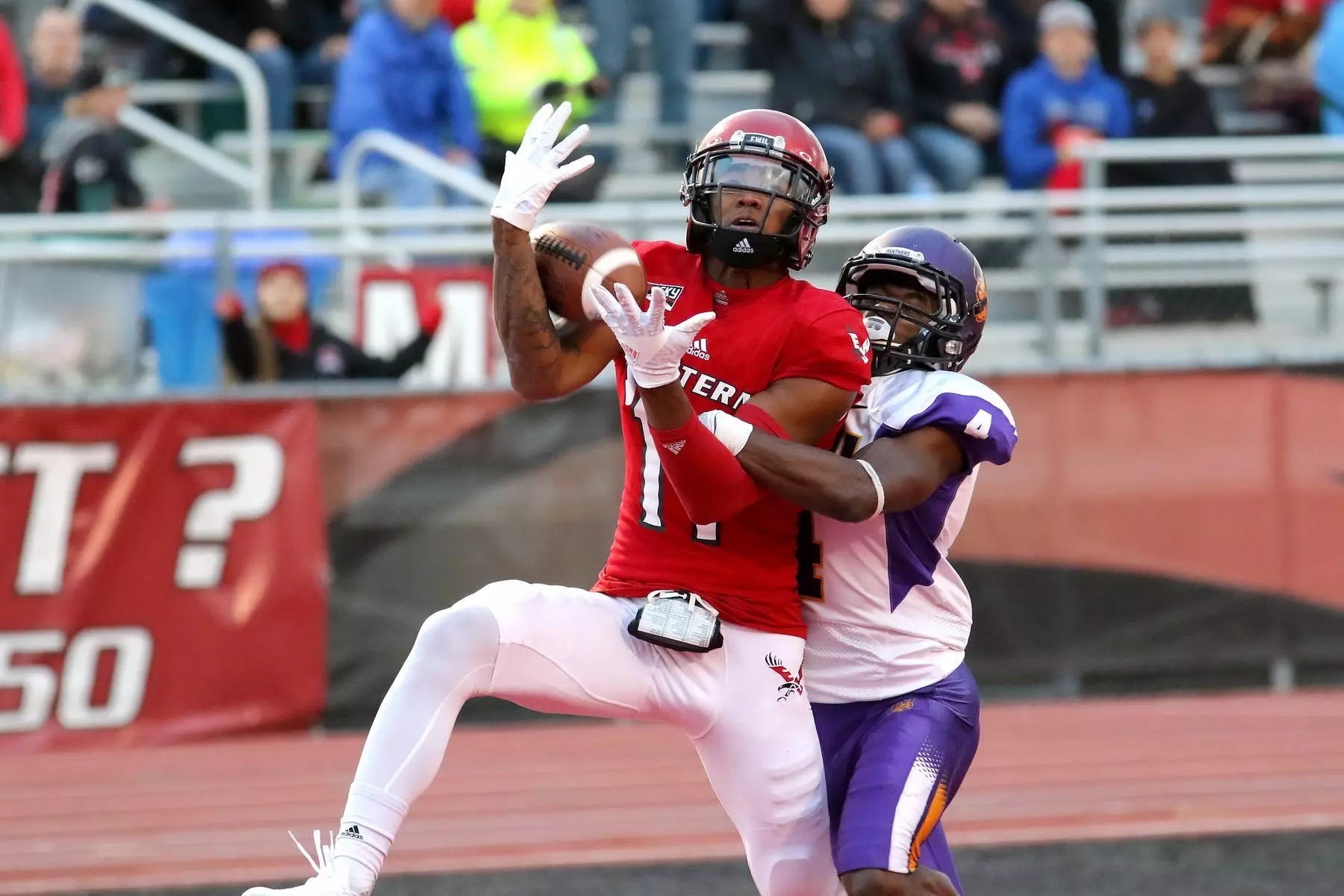
Image 6: PUDFA Graded WR Kendrick Bourne (11) at Eastern Washington
WR prospects with a few quality NFL physical tools and proven special teams background. However, these prospects have an overall underwhelming athletic profile. These WRs are commonly undersized WRs with NFL-caliber movement or bigger WRs with mediocre movement ability. Though they lack the physical tools to be starting-caliber WR options, these WRs have enough ability to be playable rotation players as depth and sub–package players. Due to their ability on special teams, these players have a chance to win a back-end of roster job as a rookie. Examples include Isaiah Williams (2024), Jake Bobo (2023), and Gunner Olszewski (2019).
UDFA
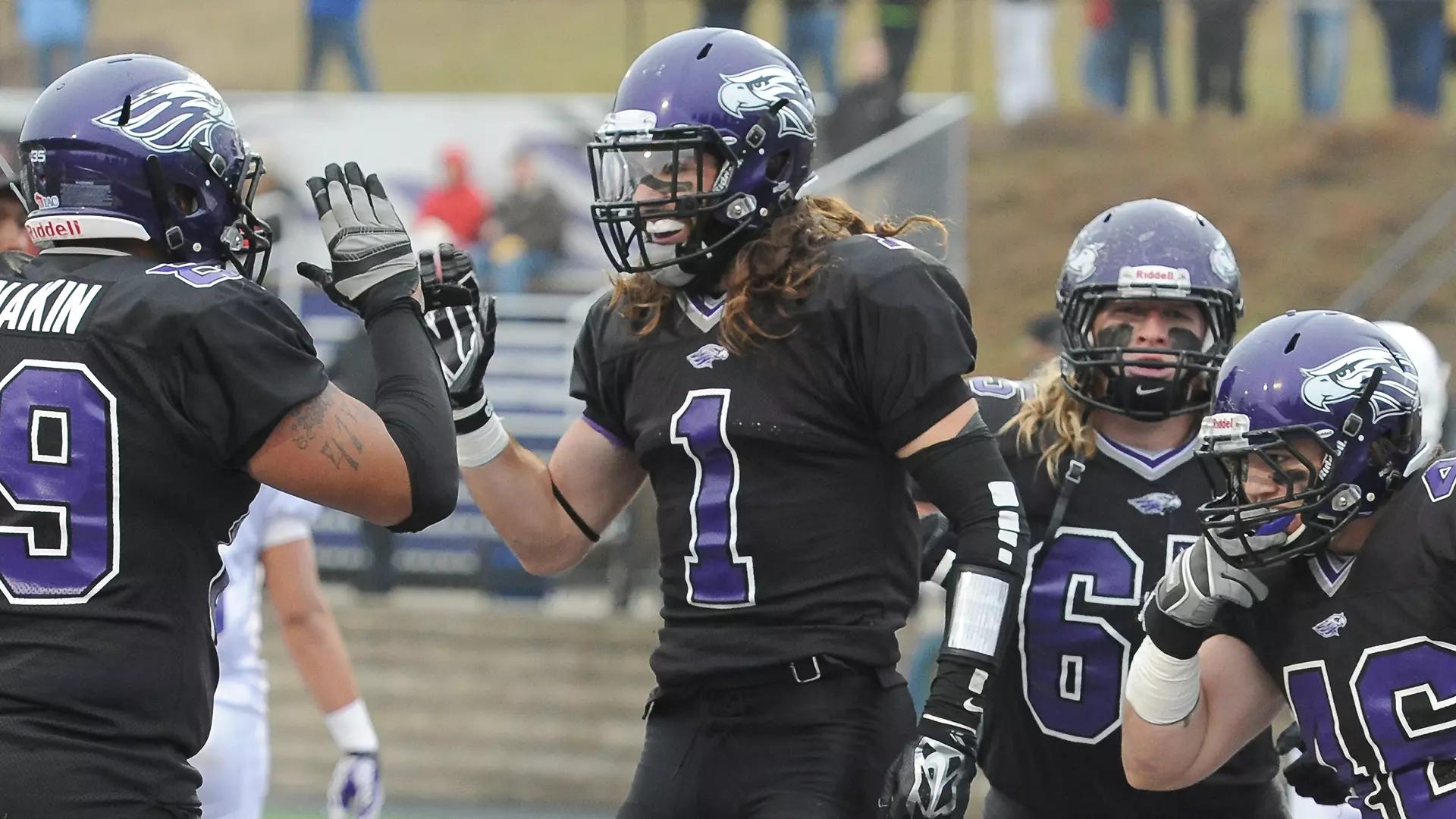
Image 7: UDFA Graded WR Jake Kumerow (1) at UWW
WR prospects with a few quality NFL physical tools, but they have an overall underwhelming athletic profile. These WRs are commonly undersized WRs with NFL-caliber movement or bigger WRs with mediocre movement ability. The main difference between PUDFA and UDFA graded WRs is their special teams background. Both buckets of prospects have the physical tools to be roster-level special teamers and rotational pass catchers, but the UDFA graded WRs lack special teams snaps in college. While it may take a few seasons on the roster bubble, these WRs can develop into competent-enough special teamers to win back-end of roster spots. Examples include Tim Jones (2021), Cody White (2020), and River Cracraft (2017).
Camp
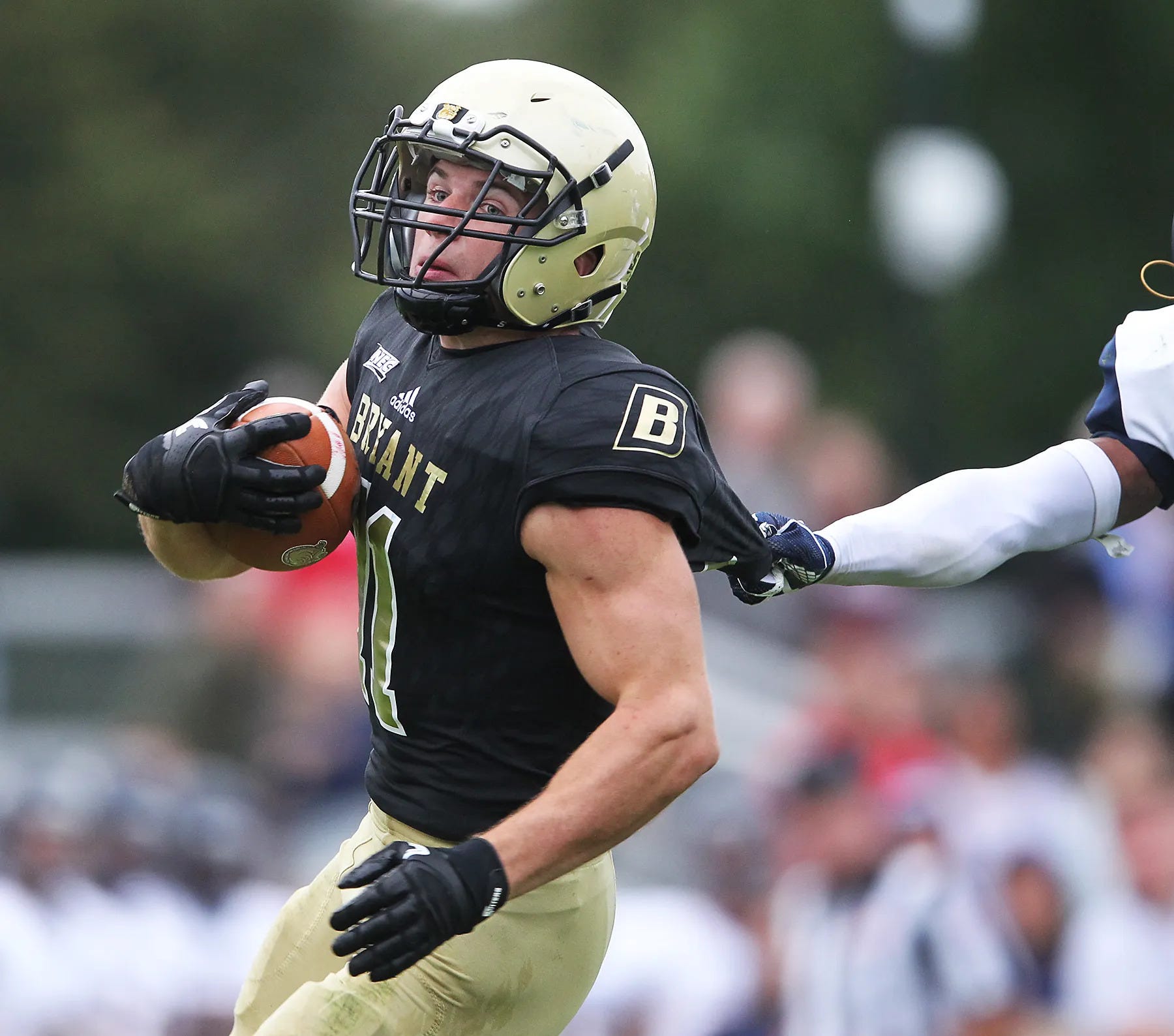
Image 8: Camp Graded WR Tom Kennedy (11) at Bryant
This bucket includes two different kinds of prospects.
The first consists of productive collegiate WRs who lack the physical talent to translate their production to the NFL. Many of these prospects either dominated a lower level of competition or produced in a gimmick college offense. Their collegiate production has earned them a tryout opportunity, but they need to showcase a translatable special-teams or offensive skill set. The typical high-end NFL result for these WRs is a perennial training camp body. Many of these WRs carve out careers in lower-tier professional leagues. Examples include Jerreth Sterns (2022), Ervin Phillips (2018), and Nelson Spruce (2016).
The second consists of WRs with mediocre NFL physical tools, but they have a quality collegiate special team background. Although these prospects have experience as returners or core special-teamers, their physical deficiencies limit their level of special teams play. These prospects must overcome their physical deficiencies with their intangibles (motor, physicality, or versatility) to have NFL careers. Most of these prospects cap-out as training camp bodies, but some of these players end up winning practice squad or back-end roster spots. Examples include Max Hurleman (2025), Malik Flowers (2023), and Chad Beebe (2018).
Reject
WRs who lack the NFL caliber physical tools to perform special team or offensive roles at an NFL level
Date Published: 07/31/2026
Date Last Updated: 07/31/2026
If you enjoyed my content, then consider sharing my content on social media and subscribing for free to my Substack. If you want a Substack report, grades, or scouting notes on players not published, then consider a paid subscription where subscribers can commission one detailed report per month on a declared/eligible draft prospect, get copies of my personal scouting notes on any prospect I have graded, and request scouting notes/grades on any players I have not watched.