

INTRODUCTIONS
My name is Jared Zhang, and I have been doing draft evaluations for the past few draft classes. While I started as a hobbyist, I have been blessed with the opportunity to write for a draft publication and intern for an agent during my scouting journey. As a summer scouting project, I have been revising my grading scale based on the historical trend of prospect profiles and their respective draft ranges. There are going to be factors that impact a player’s stock beyond his play at the collegiate level, but I believe that looking at a large enough sample size should filter out many anomalies in draft falls/rises. By fleshing out the parameters for each grading bucket, I should be able to provide clearer, more consistent grading of prospects.
I will be posting my scale for every position throughout the summer (and likely the 2027 draft process) to act as a reference for my positional big boards and as a scouting tool to anyone breaking into the hobby. While I do believe in my scale, I also recognize that my grading scale is not perfect, and I will continue to develop it further. The series will have a universal description of the individual grading buckets and then go more in-depth for that article’s specific position. Let’s break down the specific draft range behind each bucket.
Grading Buckets
Each drafted grade corresponds to an appropriate draft range. While the ranges are listed, prospects can get drafted in the next highest tier due to positional value, class strength, or team need (Ex. an early day two graded OG getting drafted in the late first round). For undrafted grades, they are split into three separate grades based on their position on the roster and likelihood to make the practice squad/active roster. Any player in one of the three undrafted buckets has the potential to realistically win an NFL practice squad/active roster spot. Reject grades comprise every draft prospect who is simply not talented enough to have an NFL future.
Blue Chip - Top 10 draft selection
Day One - First round draft selection
Early Day Two - Second round draft selection
Mid-to-Late Day Two - Third round draft selection
Early Day Three - Fourth/Fifth round draft selection
Mid-to-Late Day Three - Sixth/Seventh round draft selection
PUDFA - Undrafted free agents immediately signed to a team’s 90-man training camp roster who likely make an active roster/practice squad
UDFA - Undrafted free agents immediately signed to a teams’s 90-man training camp who are mainly competing just for practice squad spots
Camp - Undrafted free agents signed to a rookie mini-camp who are competing to make a 90-man training camp spot. Players generally attend multiple camps, and many do get signed to a team’s training camp.
Reject - Undrafted free agents without the potential to be at least practice squad-level players in the NFL. These prospects often still end up signed to mini-camps and make training camp rosters, but they are not talented enough for the NFL.
Now that we have covered the grades, let’s break down Tight End.
Blue Chip
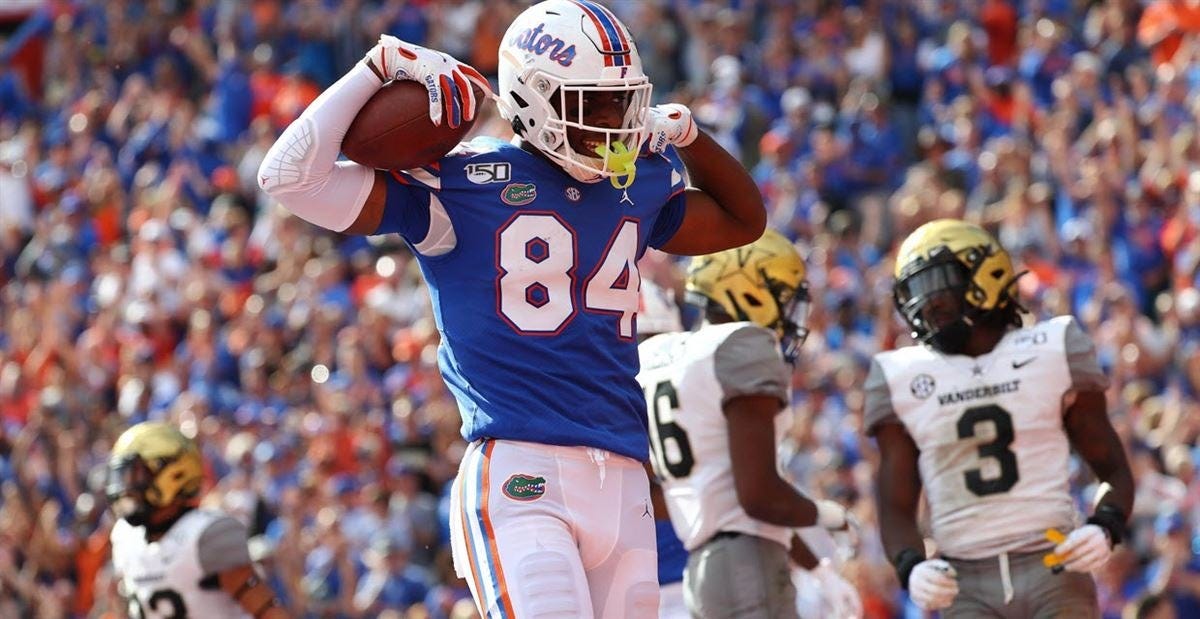
Image 1: Blue Chip Graded TE Kyle Pitts (84) at Florida
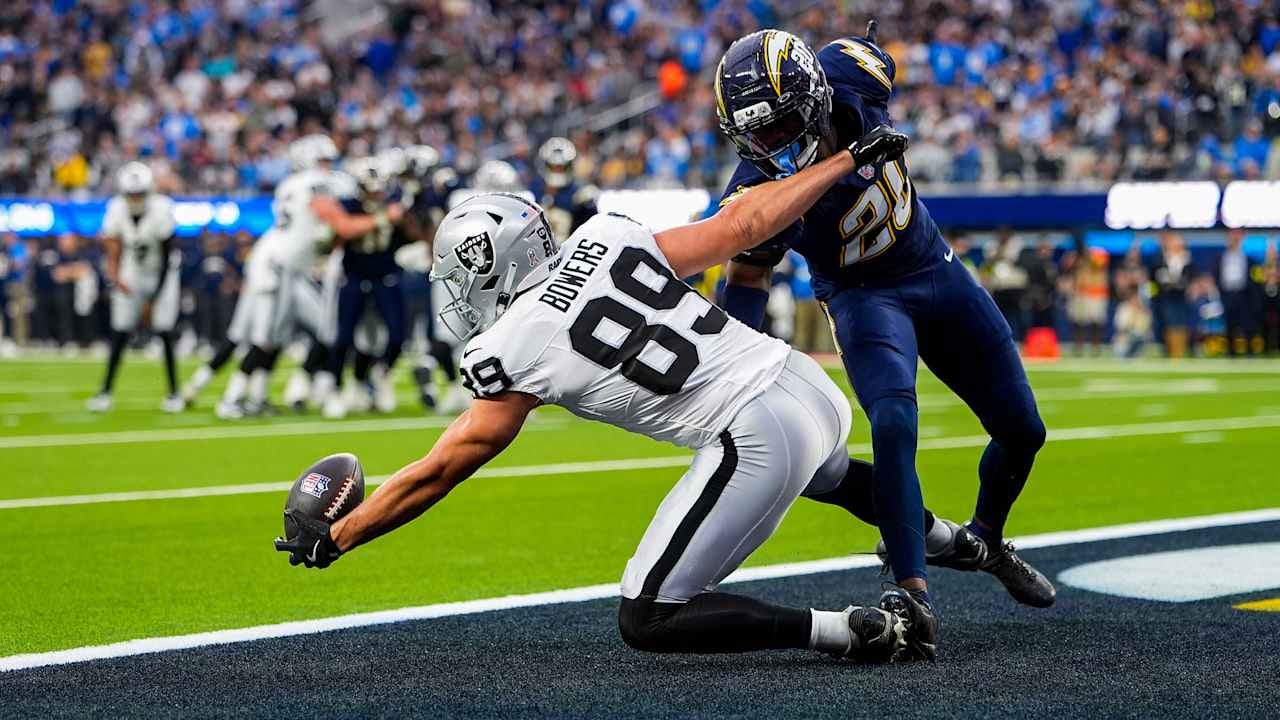
Immediate high-end pass-catching TEs with the rare ability to be dynamic playmakers with enough alignment versatility/blocking to play across various personnel groups. These prospects have elite athletic traits and skill sets (Ex. speed, length, route running, YAC, etc) that make them elite receiving prospects. When they get drafted, these TEs should immediately be one of the premier pass-catching TEs in the NFL. Although many examples are athletic power-slots/move-TEs, there are blue-chip TEs who primarily play in-line in the NFL. At their peak, these prospects should be top-of-position starters and perennial All Pro/Pro Bowl talents. Examples include Colston Loveland (2025), Brock Bowers (2024), and Vernon Davis (2006).
Day One
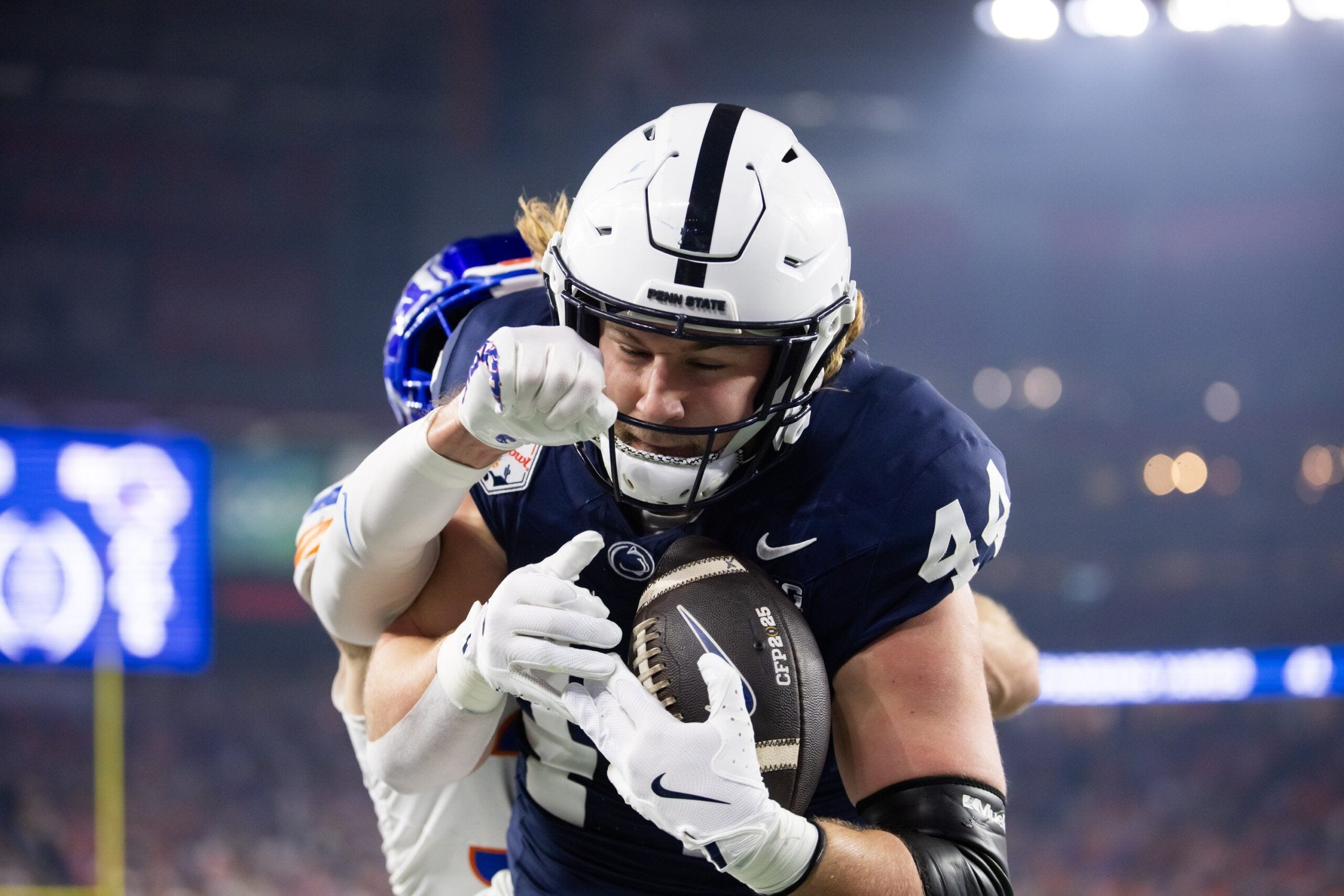
Image 2: Day One Graded TE Tyler Warren (44) at Penn State
Immediate high snap count TE with quality pass catching and enough blocking/versatility to play in 11 personnel. These prospects have a high-end pass-catching physical trait or skill set that makes them difference-making pass catchers (Ex. speed, length, route-running, YAC, etc). With the increase in 12-personnel usage and creative alignments, TEs who lack immediate in-line ability can still be day one graded TEs if they have frames to develop into in-line blockers or are dynamic-enough pass-catching ability to get usage in WR alignments. At their peak, these TEs should be high-end starters and featured parts of their teams’ passing attack. Examples include Dalton Kincaid (2023), David Njoku (2017), and Tyler Eifert (2013).
Early Day Two
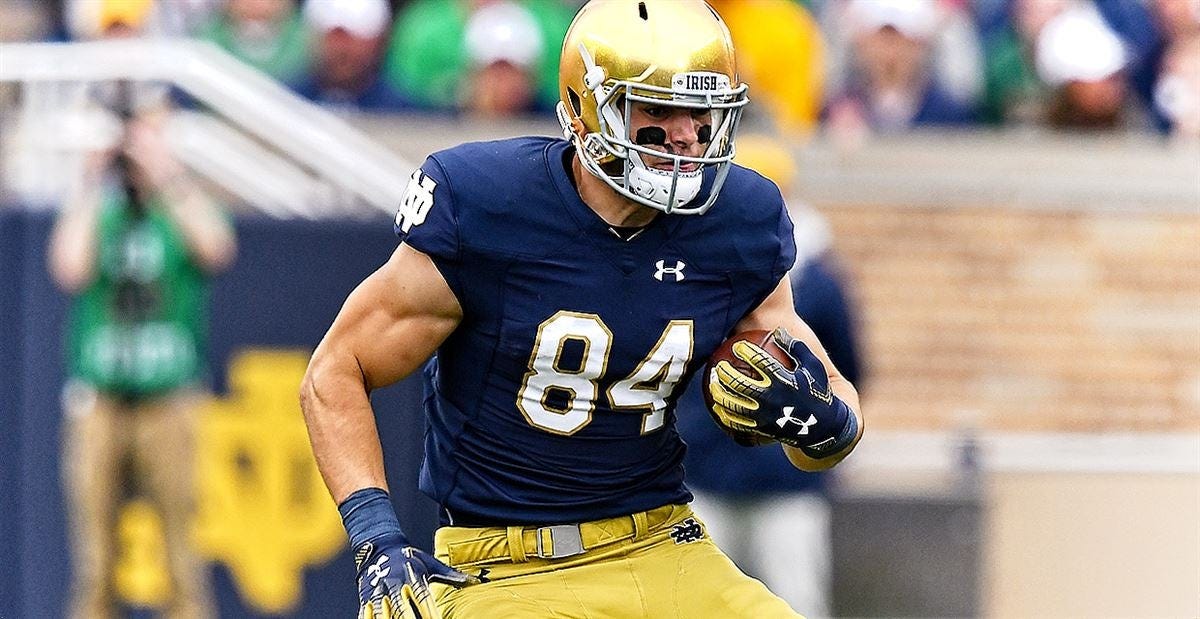
Image 3: Early Day Two Graded TE Cole Kmet (84) at Notre Dame
This bucket contains two kinds of prospects:
The first consists of in-line TEs who are capable pass catchers and blockers and can start in-line as rookies. These players lack any special physical traits or skillsets to be true difference makers as pass catchers, but they possess well-rounded physical profiles and are solid overall athletes. They may never be top-of-position starters, but they have a very high floor and should be long-term starting options. Examples include Mason Taylor (2025), Michael Mayer (2023), and Pat Freiermuth (2021).
The second are dynamic move-TEs who are 12/13 personnel contributors as rookies, but they can develop into a more complete player. By having enough size/length to develop in-line blocking ability and athleticism to play from WR alignments, these players can develop into in-line starters. Their immediate returns are often disappointing, but they can develop into high-end pass catchers. Even if they fail to grow as blockers, they have a playable floor as move-TEs/power-slots. Examples include Elijah Arroyo (2025), Trey McBride (2022), and Mike Geiseki (2018).
Mid-to-Late Day Two
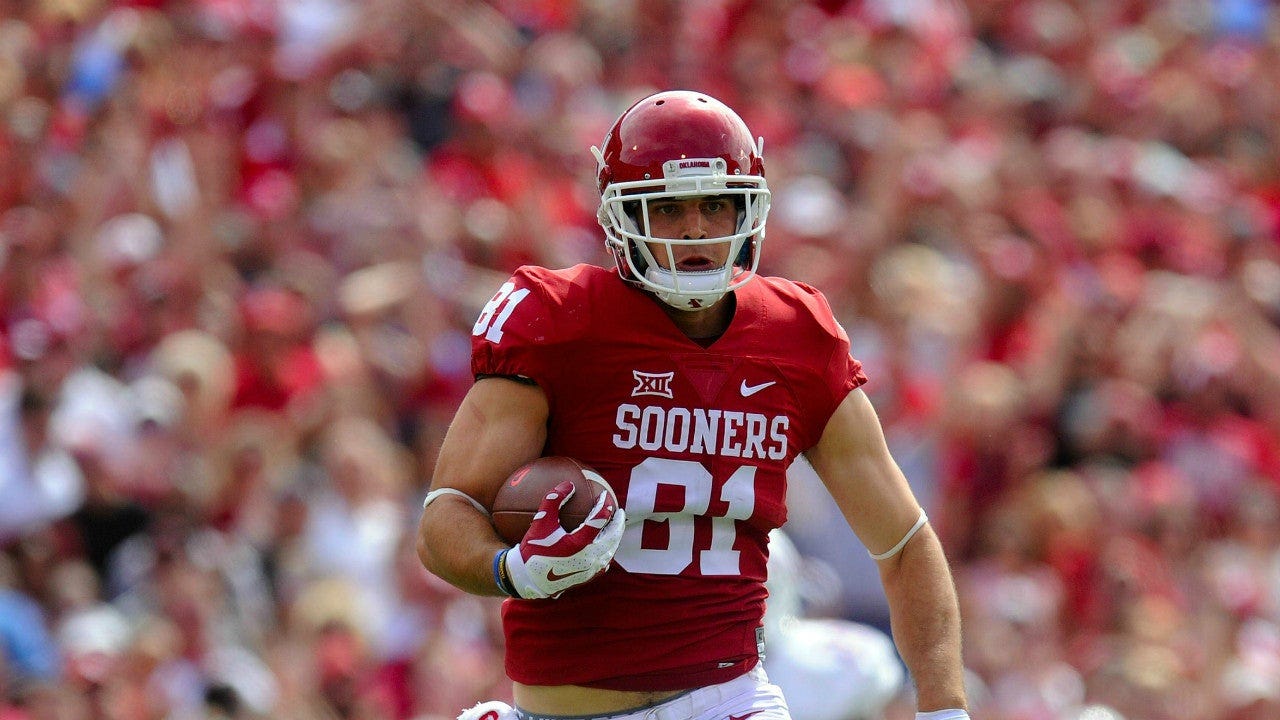
Image 3: Mid-to-Late Day Two Graded TE Mark Andrews (81) at Oklahoma
TEs with immediate ability to contribute as TE2s in 12 or 13 personnel. These prospects are either quality blocking or pass-catching specialists who lack the versatility to earn consistent playing time in 11 personnel as rookies. While some may take on bigger roles due to roster construction or development, many of these prospects will cap-out as quality package-specific contributors. The primary reason for this is that many of these prospects have physical limitations that limit their versatility. For example, pass-catching specialists often lack enough athleticism to win against NFL DBs while lacking the frame to develop in-line ability. Examples include Harold Fannin Jr (2025), Tip Reiman (2024), and Dawson Knox (2019).
Early Day Three
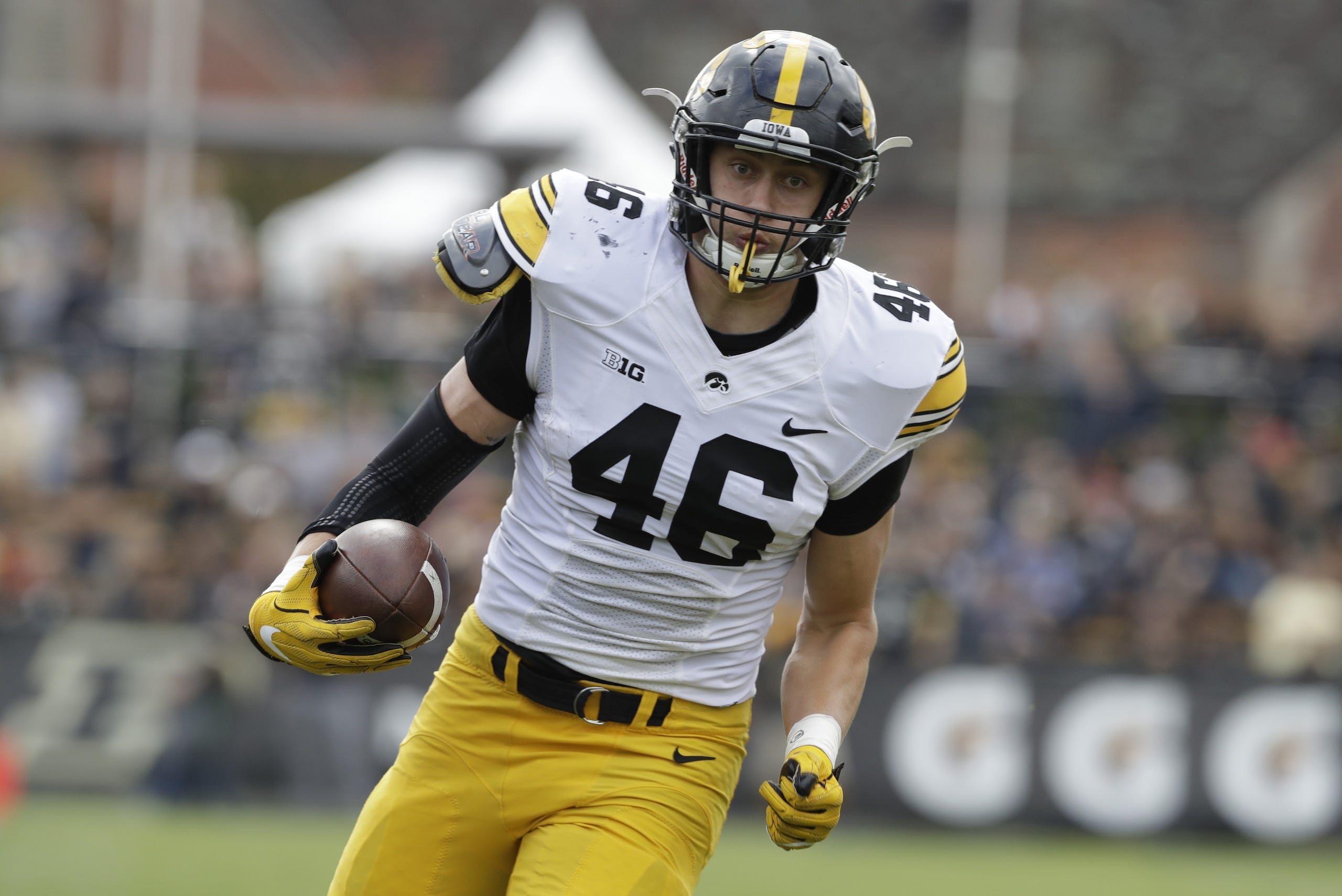
Image 4: Early Day Three Graded TE George Kittle (46) at Iowa
TEs with enough physical traits and refinement to compete for jobs as complimentary TEs in 12/13 personnel. The main issue is that these prospects have notable phsycial deficiencies that limit their effectivness in these specialized roles and developmental cieling in their primes. For example, a slow blocking TE will be less effective reaching second-level landmarks as a blocker while having reduced upside as a developmental volume pass catcher. Even if they do not win roles in 12/13 personnel as rookies, these prospects can still have a year one impact as depth players and on special teams. While many will remain as playable sub-package options, some can develop into 11 personel starters. The outlier success stories often involve intensive size and strength gains through NFL strength & conditioning programs while developing offensive skillsets like route running, zone-IQ, and ball skills. Examples include Jackson Hawes (2025), Isaiah Likely (2022), and Kylen Granson (2021).
Mid-to-Late Day Three
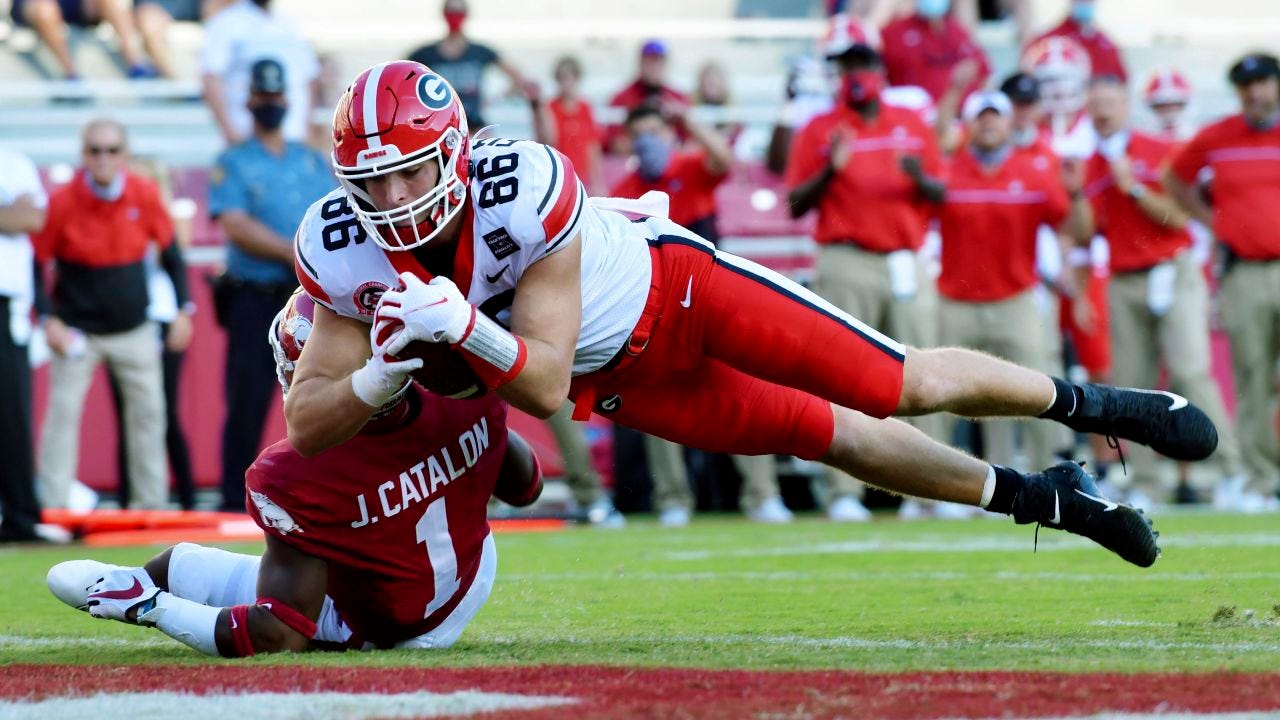
Image 5: Mid-to-Late Day Three Graded TE John Fitzpatrick (86) at Georgia
This bucket contains two kinds of prospects:
The first consists of TEs who possess good physical traits, but they need refinement as offensive contributors. Though they have NFL talent, these prospects need to develop as pass catchers, separators, blockers, and/or special teams players. Due to their limitations, these prospects generally spend their rookie seasons on the roster bubble, with most being waived and signed to the practice squad. The majority of these players are simply mediocre college starters who have physical talent, but there are notable examples of athletes from other collegiate sports being selected as upside dart throws. These players will likely fail to have a notable NFL career, but the risk-reward at this point in the draft is well worth drafting a raw, quality athlete. Examples include Caleb Lohner (2025), Zach Kuntz (2023), and Rico Gathers (2016).
The second consists of TEs who can be playable 12/13 personnel TEs, but they have physical limitations that limit their projection as 11 personnel starters (commonly these limitations are size or athleticism). Even though they have notable deficiencies, these prospects should have some impressive physical traits that allow them to be capable in specific offensive roles. While many are move-TEs or blocking TEs, some TEs in this grading bucket will be full-time fullback starters. The offensive role of these TEs may be limited, but they should have a playable special teams floor to allow them to make an impact even when they are not getting many offensive snaps. Examples include Robie Outz (2025), Elijah Higgins (2023), and Ko Kieft (2022).
PUDFA
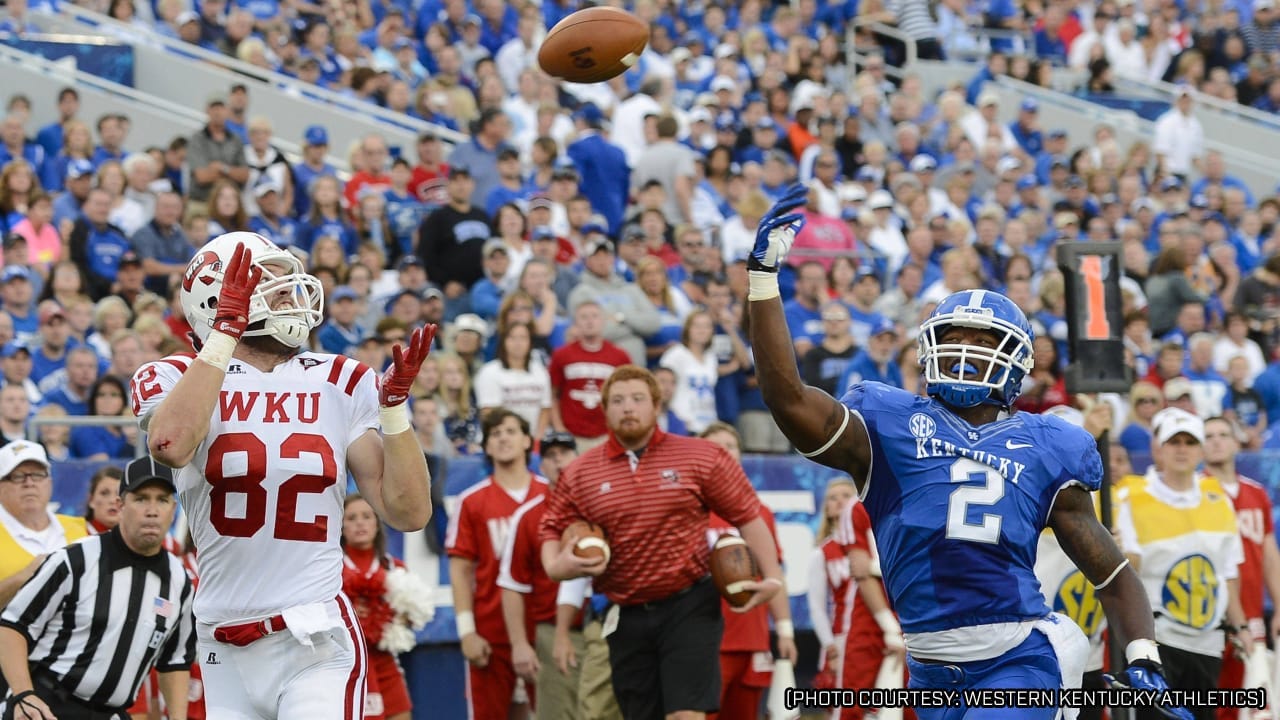
Image 6: PUDFA Graded TE Jack Doyle (86) at Western Kentucky
TEs with unnotable physical profiles who lack stand-out traits, but they flash ability as collegiate blockers or pass catchers. Though they lack the traits to be high-end offensive specialists, these players have enough talent to be NFL-level blocking/pass-catching specialists in 12/13 personnel. Ignoring outlier development stories, these prospects generally lack the upside to turn into volume pass-catching options in 11 personnel. Outside of offense, these prospects should have projectable special teams ability due to their functional tools and collegiate experience on different units. Examples include Jake Briningstool (2025), Julian Hill (2023), and Brock Wright (2021).
UDFA
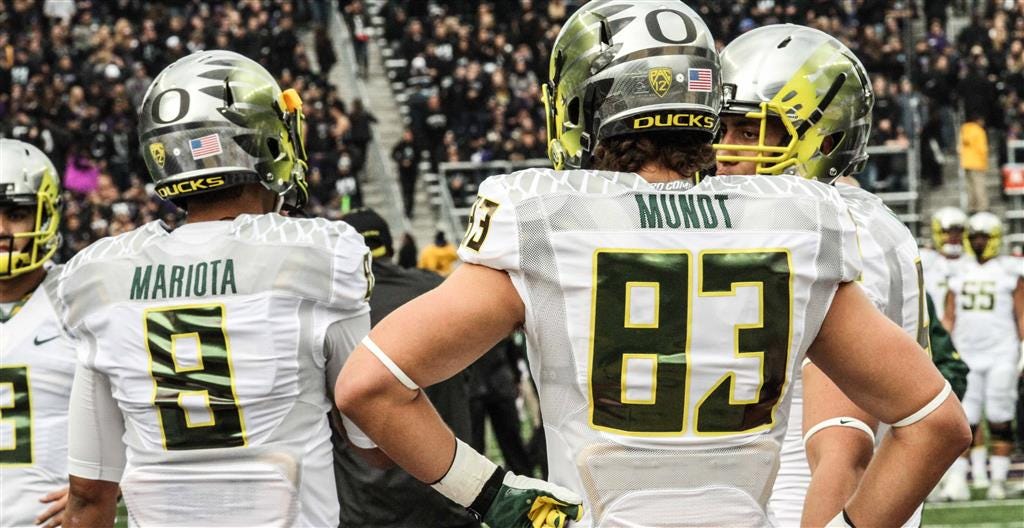
Image 7: UDFA Graded TE Johnny Mundt (83) at Oregon
TEs with enough physical traits to perform NFL offensive and special-teams assignments, but they need more development before they can see the field. Whether it is improving their frames, pass catching, or blocking, these TEs are balls of clay who have the ceiling of becoming roster-level depth and 12/13 personnel contributors. These TEs are usually developmental collegiate TE starters, but there are notable examples of talented-enough position converts and non-football collegiate athletes who made an NFL career as UDFA TE. While the focus often is on their impact on offense, these TEs’ best shot of making NFL rosters and having an NFL career is becoming core special teams contributors. Examples include Jake Tonges (2022), Shane Zylstra (2020), and Donald Parham (2019).
Camp
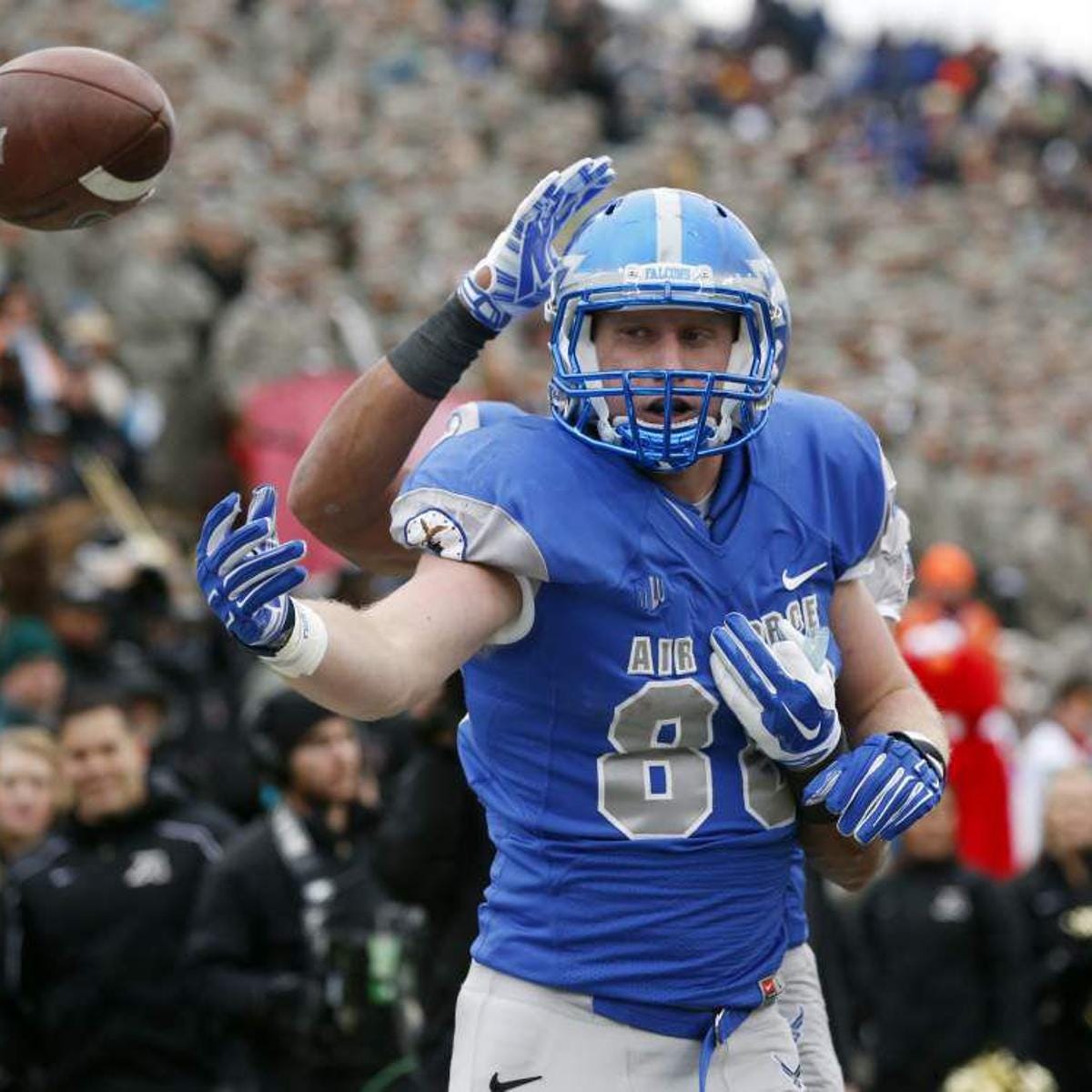
Image 8: Camp Graded TE Garrett Griffin (80) at Airforce
TEs with overall poor physical traits, but with intriguing technical refinement and intangibles. Because of their limitations as athletes, they have very limited projection as usable offensive pieces due to their lack of ideal size and movement ability. However, they have enough traits to be competent special teams contributors and depth TE options. The only requirement is that they need to be good enough movement athletes to be functional in-space athletes for special teams. Examples include Drake Dabney (2025), Drew Rosi (2022), and Jody Fortson (2019).
Reject
TEs who lack the NFL caliber physical tools to perform special team or offensive roles at an NFL level
Date Published: 08/20/2026
Date Last Updated: 08/20/2026
If you enjoyed my content, then consider sharing my content on social media and subscribing for free to my Substack. If you want a Substack report, grades, or scouting notes on players not published, then consider a paid subscription where subscribers can commission one detailed report per month on a declared/eligible draft prospect, get copies of my personal scouting notes on any prospect I have graded, and request scouting notes/grades on any players I have not watched.