
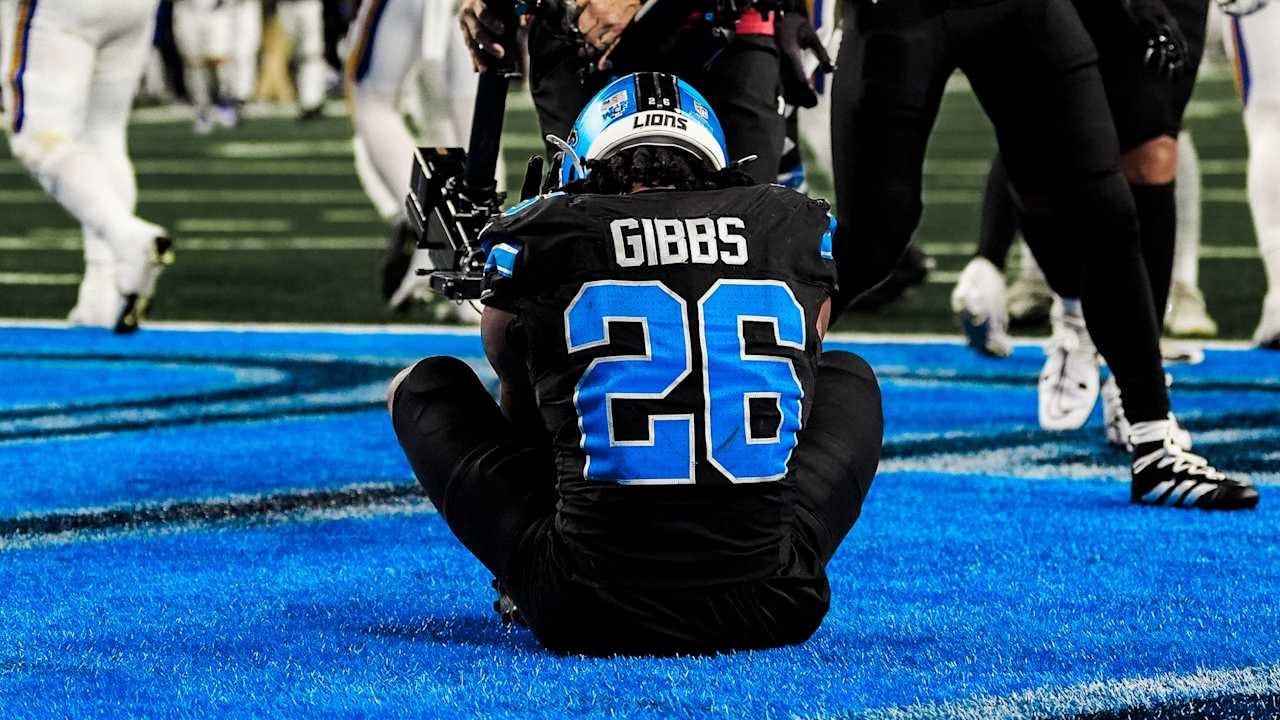
INTRODUCTIONS
My name is Jared Zhang, and I have been doing draft evaluations for the past few draft classes. While I started as a hobbyist, I have been blessed with the opportunity to write for a draft publication and intern for an agent during my scouting journey. As a summer scouting project, I have been revising my grading scale based on the historical trend of prospect profiles and their respective draft ranges. There will be factors that impact a player’s stock beyond his play at the collegiate level, but I believe that looking at a large enough sample size should filter out many anomalies in draft falls/rises. By fleshing out the parameters for each grading bucket, I should be able to provide clearer, more consistent grading of prospects.
I will be posting my scale for every position throughout the summer (and likely the 2027 draft process) to act as a reference for my positional big boards and as a scouting tool to anyone breaking into the hobby. While I do believe in my scale, I also recognize that my grading scale is not perfect, and I will continue to develop it further. The series will have a universal description of the individual grading buckets and then go more in-depth for that article’s specific position. Let’s break down the specific draft range behind each bucket.
Grading Buckets
Each drafted grade corresponds to an appropriate draft range. While the ranges are listed, prospects can get drafted in the next highest tier due to positional value, class strength, or team need (Ex. an early day two graded OG getting drafted in the late first round). For undrafted grades, they are split into three separate grades based on their position on the roster and likelihood to make the practice squad/active roster. Any player in one of the three undrafted buckets has the potential to realistically win an NFL practice squad/active roster spot. Reject grades comprise every draft prospect who is simply not talented enough to have an NFL future.
Blue Chip - Top 10 draft selection
Day One - First round draft selection
Early Day Two - Second round draft selection
Mid-to-Late Day Two - Third round draft selection
Early Day Three - Fourth/Fifth round draft selection
Mid-to-Late Day Three - Sixth/Seventh round draft selection
PUDFA - Undrafted free agents immediately signed to a team’s 90-man training camp roster who likely make an active roster/practice squad
UDFA - Undrafted free agents immediately signed to a team’s 90-man training camp who are mainly competing just for practice squad spots
Camp - Undrafted free agents signed to a rookie mini-camp who are competing to make a 90-man training camp spot. Players generally attend multiple camps, and many do get signed to a team’s training camp.
Reject - Undrafted free agents without the potential to be at least practice squad-level players in the NFL. These prospects often still end up signed to mini-camps and make training camp rosters, but they are not talented enough for the NFL.
Now that we have covered the grades, let’s break down Running Back.
Blue Chip
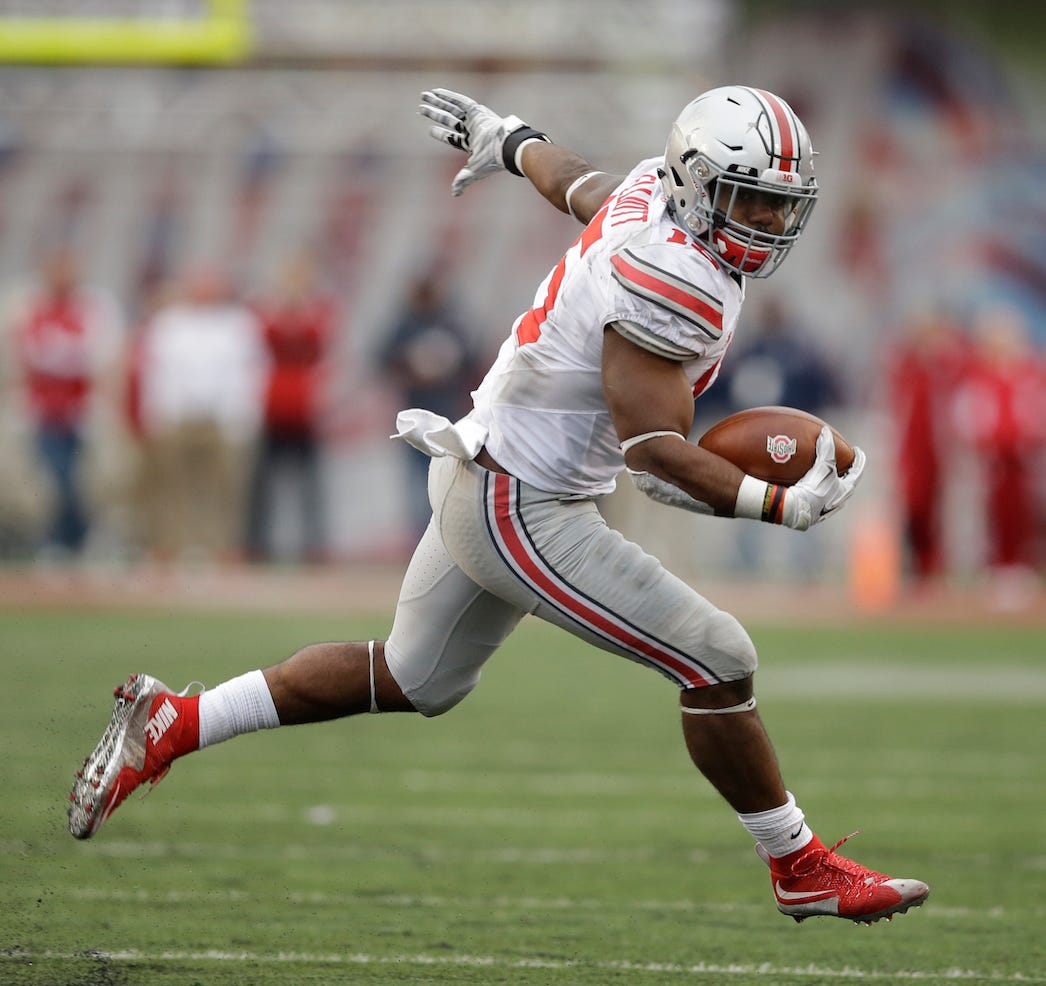
Image 1: Blue Chip Graded RB Ezekiel Elliot (15) at Ohio State
Immediate lead RBs with well-rounded physical profiles with a notably elite physical trait (Ex. shiftiness, contact balance, long speed, etc). By having elite physical traits, these players perform special feats as ball carriers that result in explosive plays. Prospects in this tier should immediately elevate their teams’ offense and have the potential to be OPOTY-level playmakers in their prime. Examples include Ashton Jeanty (2025), Bijan Robinson (2023), Saquon Barkley (2018).
Day One
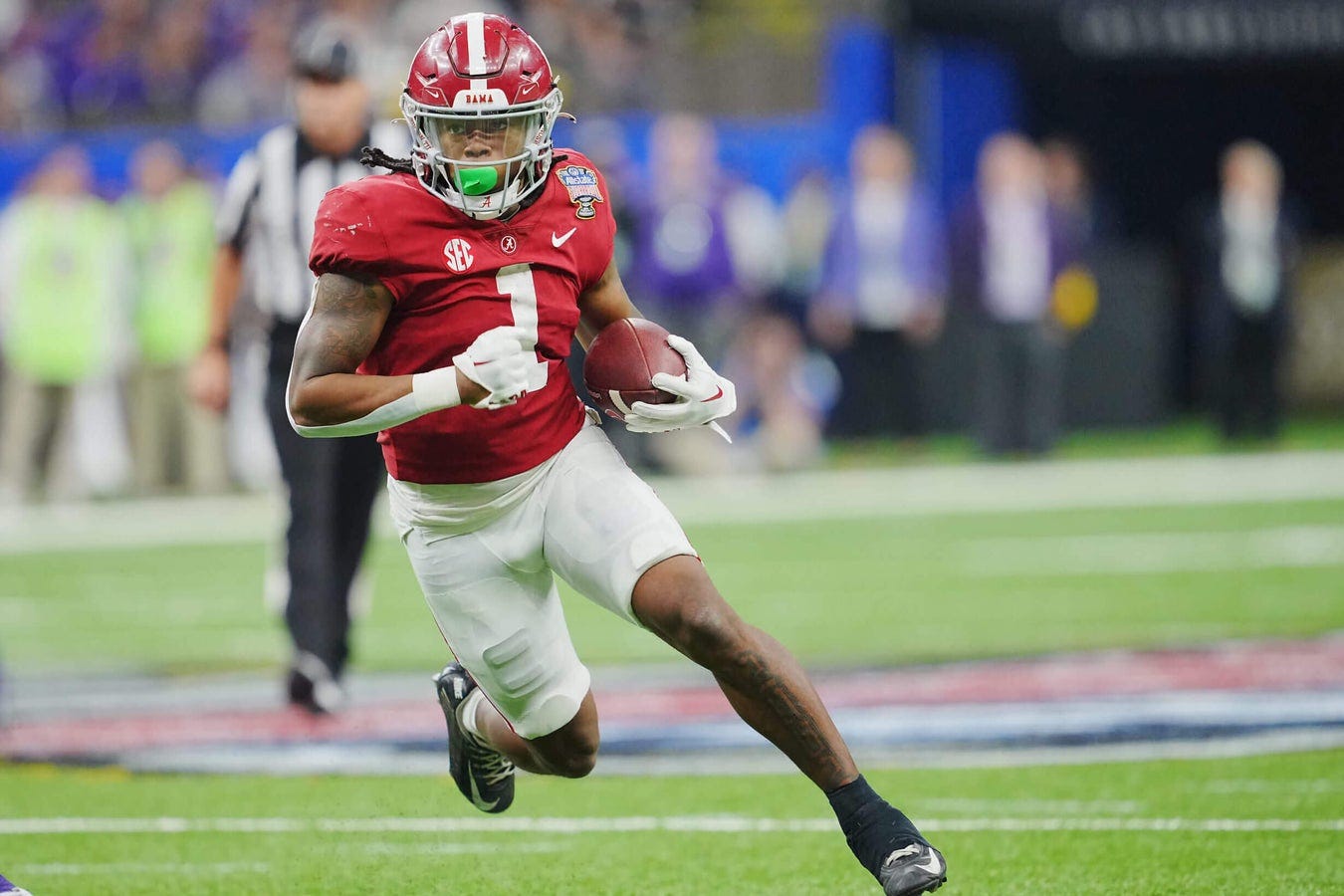
Image 2: Day One Graded RB Jahmyr Gibbs (1) at Alabama
Immediate lead RBs with some high-end positional traits that perform special feats as ball carriers and generate explosive plays. Unlike blue chip graded running backs, day one-graded running backs often have some physical deficiency that limits their overall effectiveness (these prospects may be undersized, stiff, slow, etc). Day one running back prospects should be immediate impact players with the upside to be high-end RB starters. Examples include Omarion Hampton (2025), Travis Etienne Jr (2021), and Christian McCaffrey (2017).
Early Day Two
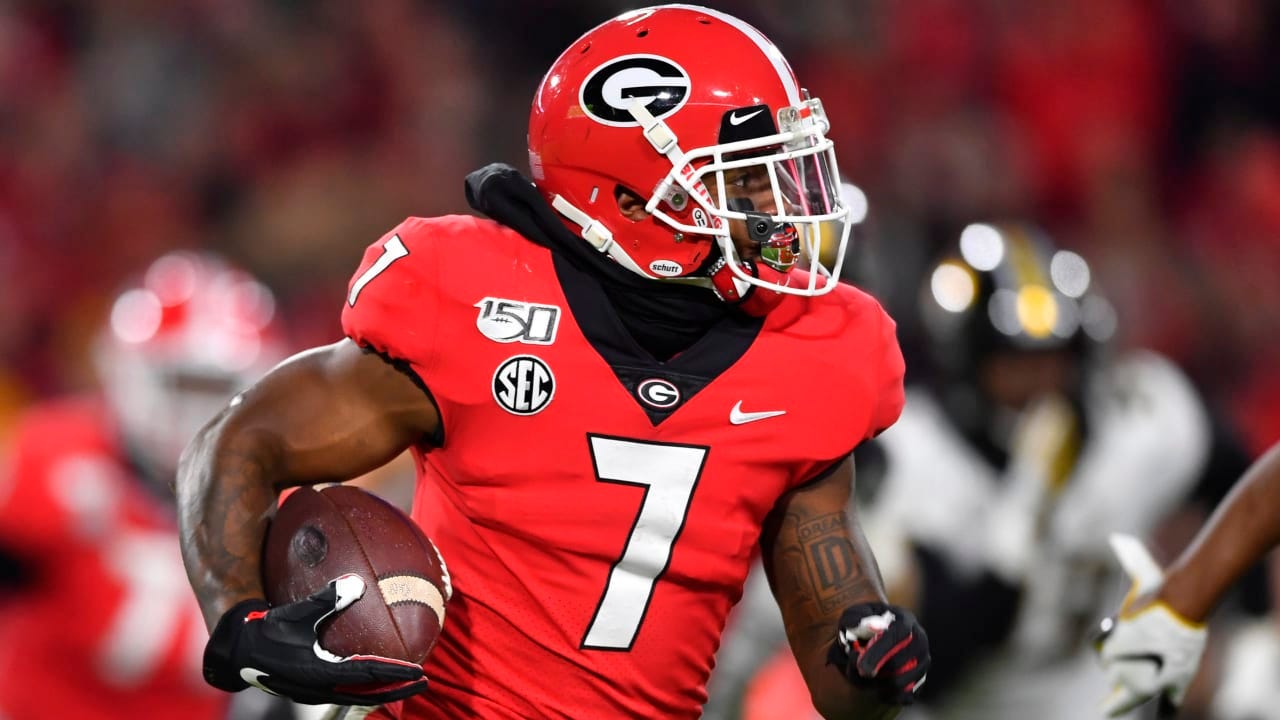
Image 3: Early Day Two Graded RB D’Andre Swift (7) at Georgia
Immediate lead RBs who have specific athletic traits that make them more difficult for defenders to fit and/or create opportunities for explosive plays. These players will have notable deficiencies in their game that limit their effectiveness in specific situations or run concepts. Even if they lack game-breaking ability, these running backs should still be good starters in their prime and be lead backs capable of being productive, effective ball carriers. Examples include Quinshon Judkins (2025), Breece Hall (2022), and Javonte Williams (2021)
Mid-to-Late Day Two
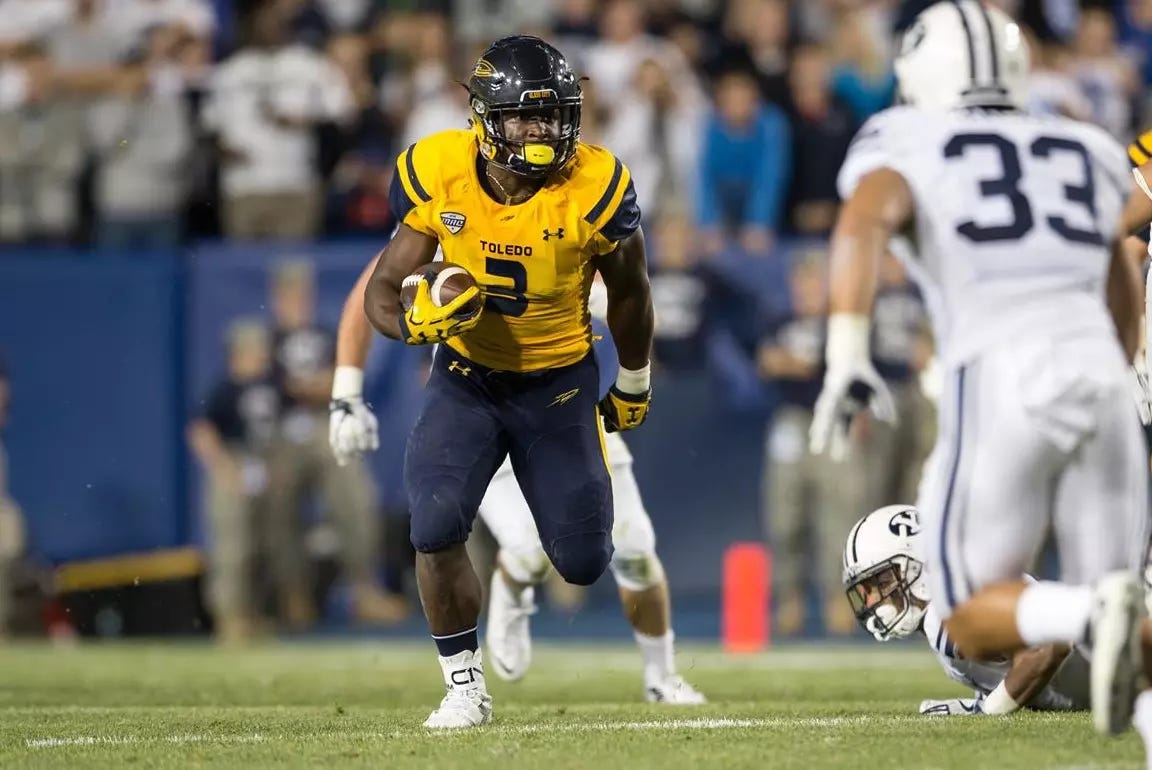
Image 4: Mid-to-Late Day Two Graded RB Kareem Hunt (3) at Toledo
RB with enough physical talent to be lead running backs, but they lack the upside to be difference-making offensive weapons. These running backs should run efficiently and maximize schemed-up yardage even though they cannot consistently create their own yards/explosive plays. Some of these players can end up being productive starters when given volume in a good situation, but the large majority of these players will end up as career spot starters who are quality change-of-pace running backs. Examples include Blake Corum (2024), Brian Robinson Jr (2022), and David Montgomery (2019).
Early Day Three
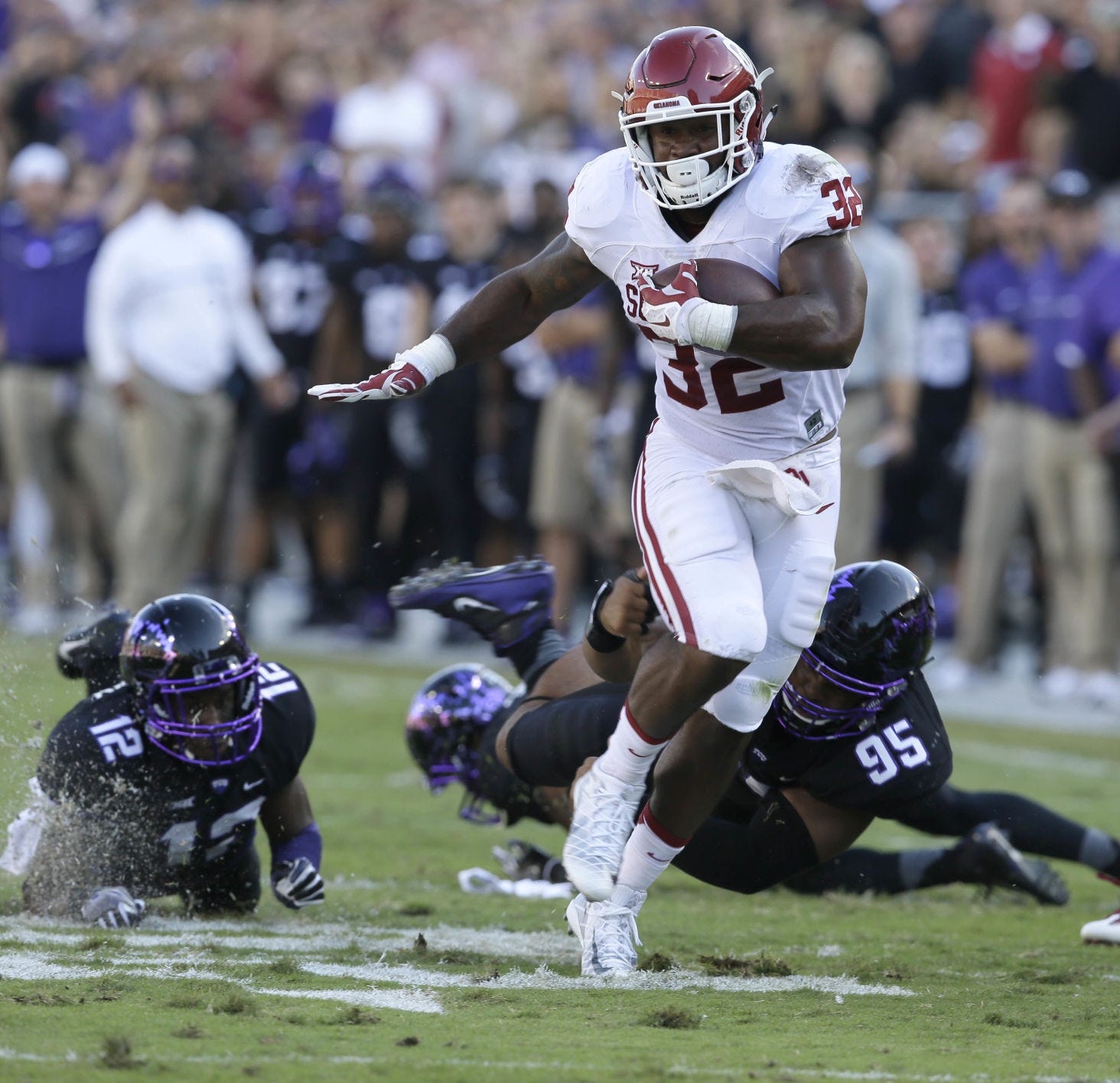
Image 5: Early Day Three Graded RB Samaje Perine (32) at Oklahoma
Committee RBs who lack the physical talent to generate non-schemed yardage as ball carriers consistently. These running backs provide value as competent depth ball carriers and in specialist roles. Players in this tier often find roles as third-down backs, return men, and/or core special teamers. Given the increased value after recent return-game changes, running backs with high-end return ability should be in this tier despite their issues as ball carriers. Examples include Ray Davis (2024), Kenneth Gainwell (2021), and Justice Hill (2019).
Mid-to-Late Day Three
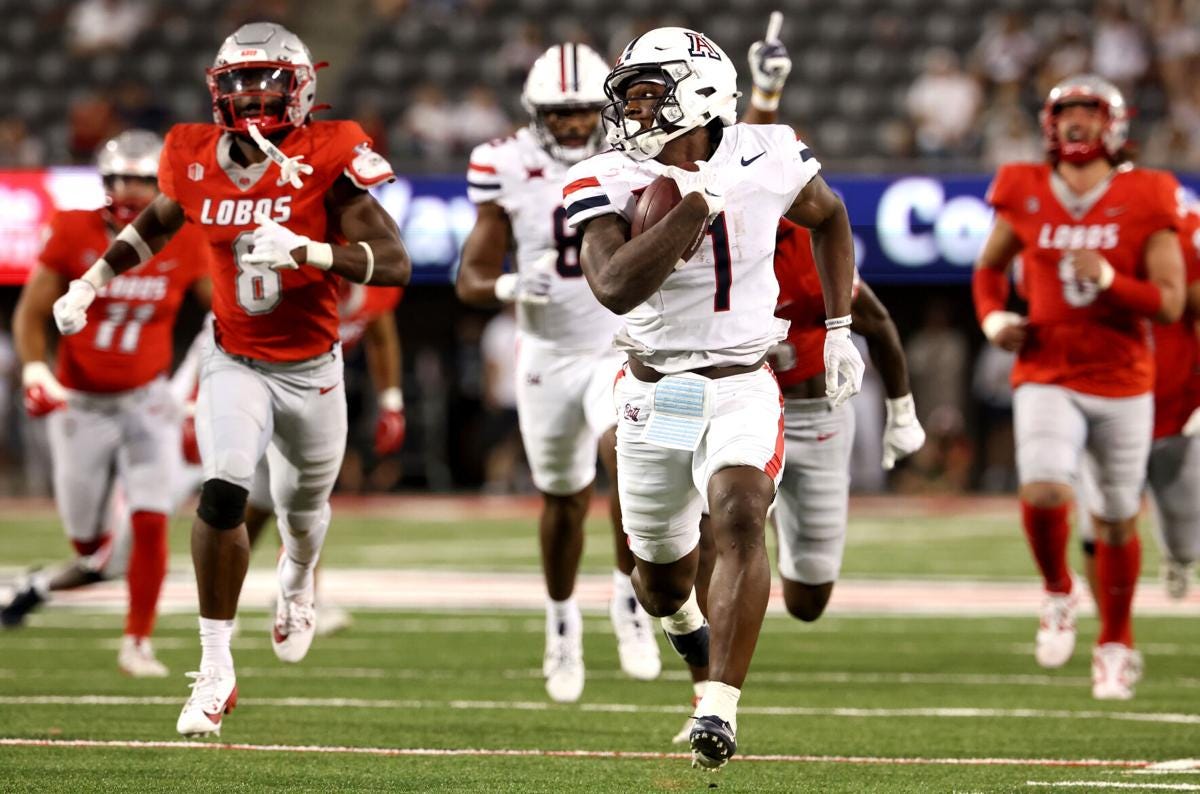
Image 6: Mid-to-Late Day Three Graded RB Jacory Croskey-Merritt (1) at Arizona
This bucket contains two different kinds of RB prospects.
The first consists of RBs who are capable depth ball carriers but offer limited value in specialist roles. These players provide minimal value as returners, third-down backs, and core special teamers. Although they are talented enough ball carriers to make NFL rosters, these RBs are often passed up in favor of less gifted ball carriers with greater role versatility. Examples include Kyle Monangai (2025), Kimani Vidal (2024), and Khalil Herbert (2021).
The second consists of RBs who are mediocre NFL ball carriers but provide roster-level play in multiple specialist roles. These players will likely never be relevant fantasy players or household names, but they will consistently make rosters and be valuable football players. Examples include LeQuint Allen Jr (2025), Dylan Laube (2024), and Travis Homer (2019).
PUDFA
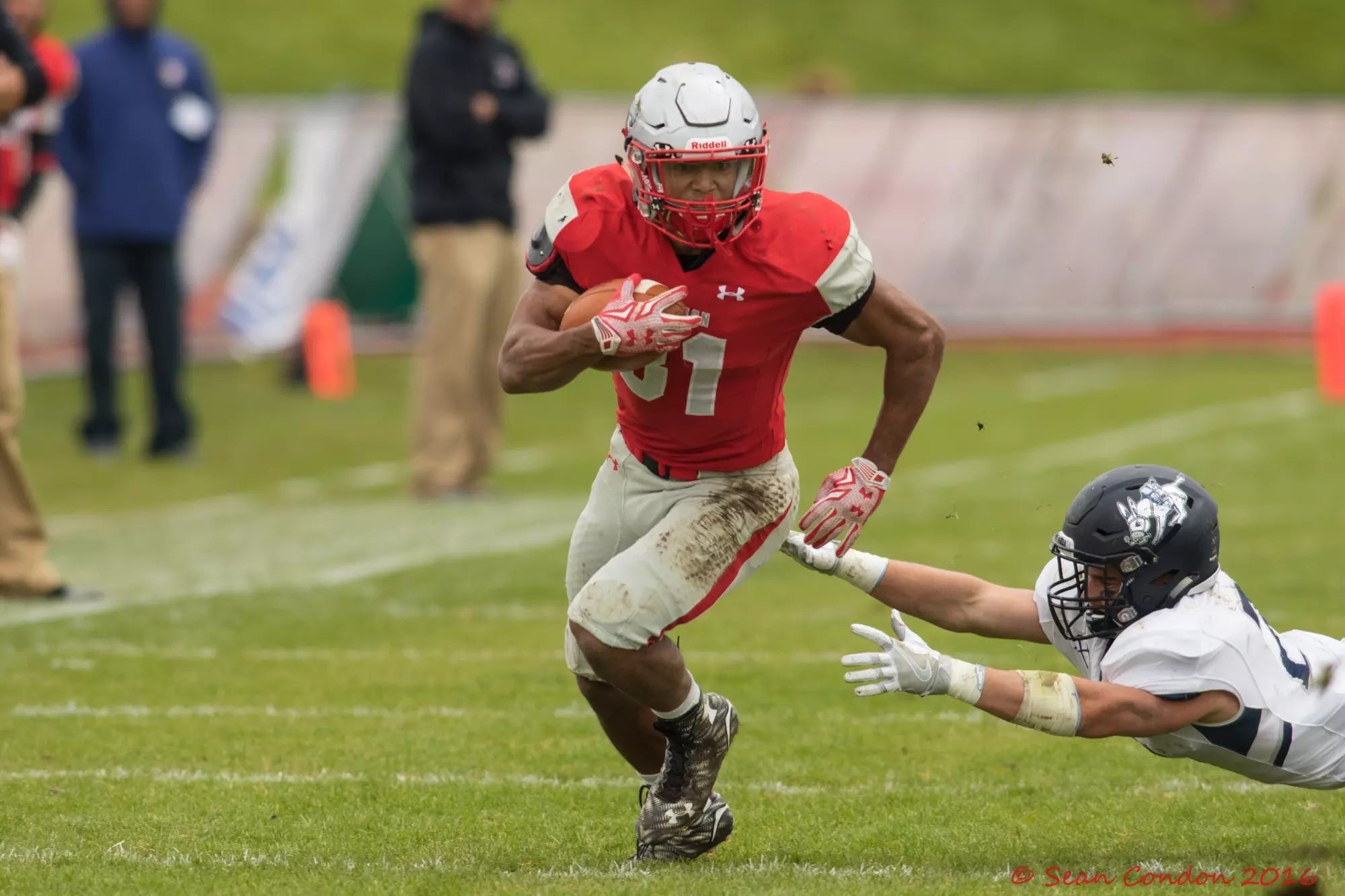
Image 7: PUDFA Graded RB Austin Ekeler (31) at Western Colorado
RBs with enough physical talent to be players on NFL active rosters, but they need more development before contributing to a committee. These players are prototypically built with poor vision or undersized with limited between-the-tackles ability. They must improve their body/processing to become competent NFL ball carriers. Beyond developing as ball carriers, they also must grow as specialists. With many having handled heavy workloads in college, many of these prospects lack experience as third-down backs, return men, and special teamers. If they add more nuance to their game beyond their athletic tools, then these players can develop into solid committee RBs and make rosters as rookies. Examples include Donovan Edwards (2024), Emari Demercado (2023), and Jordan Mason (2022).
UDFA
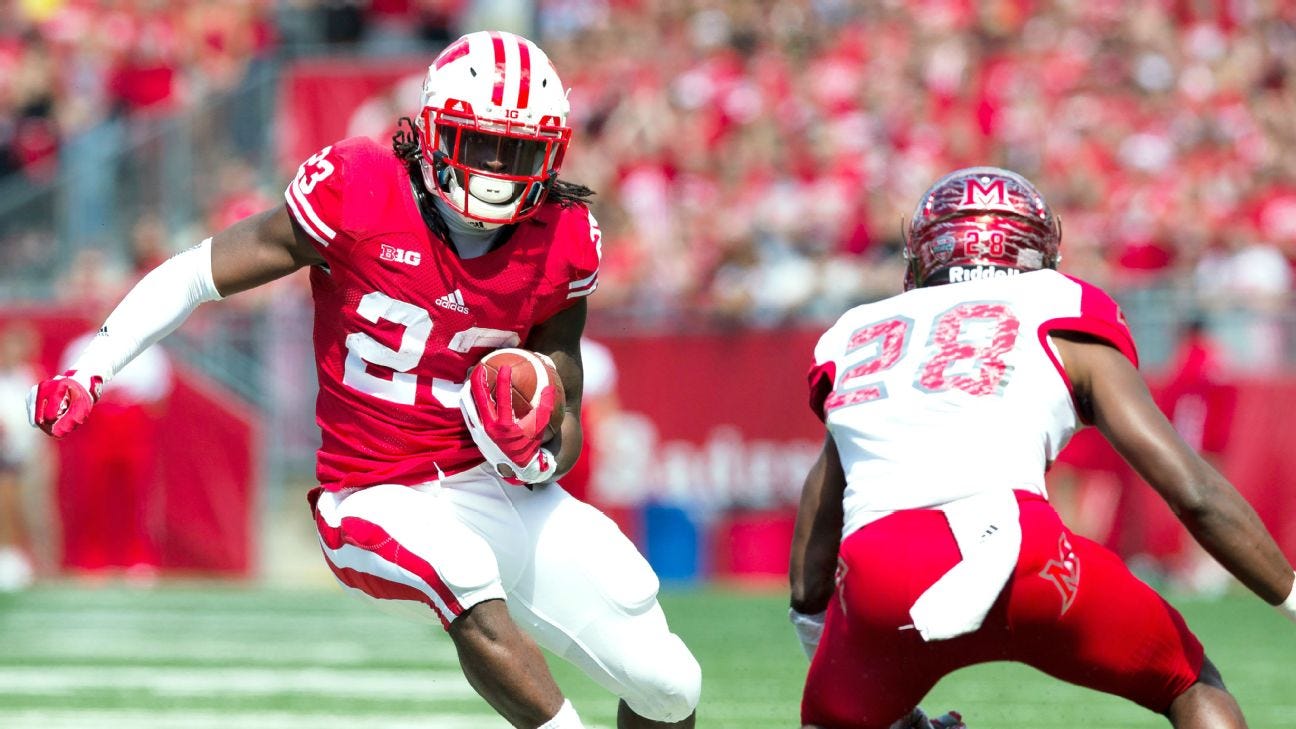
Image 8: UDFA Graded RB Dare Ogunbowale (23) at Wisconsin
Running backs with mediocre physical traits who enter the NFL with a playable specialist role. By being return men, special teamers, or third-down backs, these players can provide value even if they have limited ability as ball carriers. However, the abundance of viable RBs who provide similar value makes it difficult to make active rosters. To become viable back-end roster options, these players must expand their versatility by developing additional specialist roles (Ex. a third-down back learning to cover kicks, a return man learning to pick up blitzers, etc). Examples include Ronnie Rivers (2022), JaMychal Hasty (2020), and Reggie Bonnafon (2018)
Camp
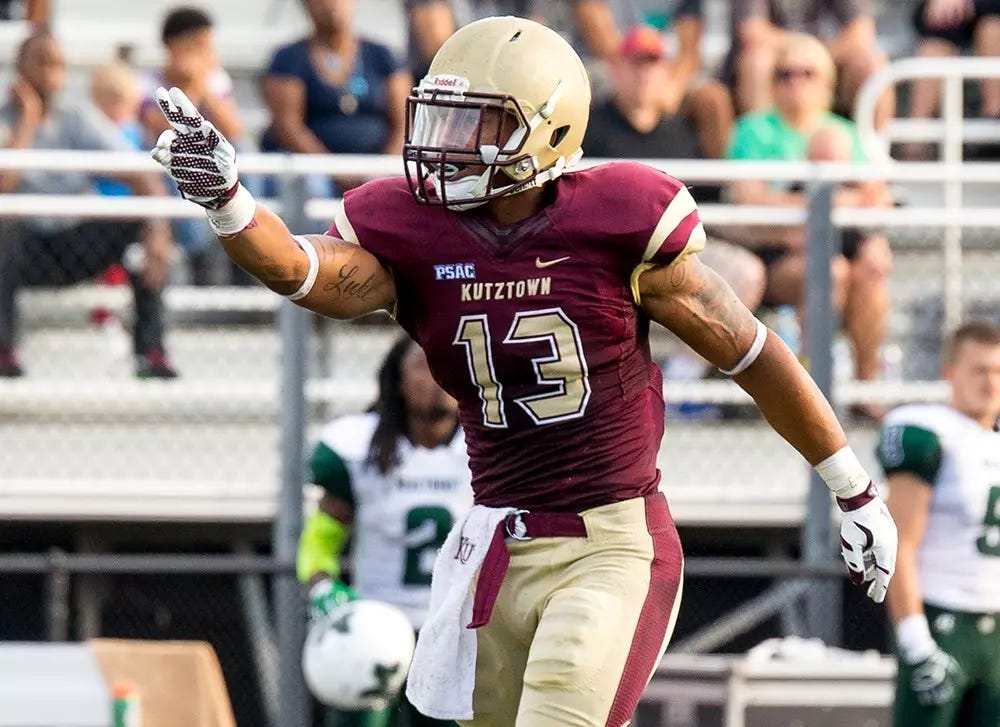
Image 9: Camp Graded RB Craig Reynolds (13) at Kutztown
Running backs with mediocre physical tools who were highly productive starters at the collegiate level. Commonly, these are small-school or non-D1 standouts who were overlooked due to their physical deficiencies. Despite their stardom, these players lack the ability as ball carriers or specialists to be guaranteed training camp opportunities. Their collegiate success has earned them a minicamp opportunity, but they need to display translatable skillsets during their tryout to get a shot at an NFL career. Most will fail to carve out a niche in the NFL, but a few grind their way into long NFL careers. Examples include Terrell Jennings (2024), Lexington Thomas (2019), and Jalen Richard (2016).
Reject
College RBs without NFL traits or college production
Date Published: 07/24/2026
Date Last Updated: 07/24/2026
If you enjoyed my content, then consider sharing my content on social media and subscribing for free to my Substack. If you want a Substack report, grades, or scouting notes on players not published, then consider a paid subscription where subscribers can commission one detailed report per month on a declared/eligible draft prospect, get copies of my personal scouting notes on any prospect I have graded, and request scouting notes/grades on any players I have not watched.