

INTRODUCTIONS
My name is Jared Zhang, and I have been doing draft evaluations for the past few draft classes. While I started as a hobbyist, I have been blessed with the opportunity to write for a draft publication and intern for an agent during my scouting journey. As a summer scouting project, I have been revising my grading scale based on the historical trend of prospect profiles and their respective draft ranges. There are going to be factors that impact a player’s stock beyond his play at the collegiate level, but I believe that looking at a large enough sample size should filter out many anomalies in draft falls/rises. By fleshing out the parameters for each grading bucket, I should be able to provide clearer, more consistent grading of prospects.
I will be posting my scale for every position throughout the summer (and likely the 2027 draft process) to act as a reference for my positional big boards and as a scouting tool to anyone breaking into the hobby. While I do believe in my scale, I also recognize that my grading scale is not perfect, and I will continue to develop it further. The series will have a universal description of the individual grading buckets and then go more in-depth for that article’s specific position. Let’s break down the specific draft range behind each bucket.
Grading Buckets
Each drafted grade corresponds to an appropriate draft range. While the ranges are listed, prospects can get drafted in the next highest tier due to positional value, class strength, or team need (Ex. an early day two graded OG getting drafted in the late first round). For undrafted grades, they are split into three separate grades based on their position on the roster and likelihood to make the practice squad/active roster. Any player in one of the three undrafted buckets has the potential to realistically win an NFL practice squad/active roster spot. Reject grades comprise every draft prospect who is simply not talented enough to have an NFL future.
Blue Chip - Top 10 draft selection
Day One - First round draft selection
Early Day Two - Second round draft selection
Mid-to-Late Day Two - Third round draft selection
Early Day Three - Fourth/Fifth round draft selection
Mid-to-Late Day Three - Sixth/Seventh round draft selection
PUDFA - Undrafted free agents immediately signed to a team’s 90-man training camp roster who likely make an active roster/practice squad
UDFA - Undrafted free agents immediately signed to a teams’s 90-man training camp who are mainly competing just for practice squad spots
Camp - Undrafted free agents signed to a rookie mini-camp who are competing to make a 90-man training camp spot. Players generally attend multiple camps, and many do get signed to a team’s training camp.
Reject - Undrafted free agents without the potential to be at least practice squad-level players in the NFL. These prospects often still end up signed to mini-camps and make training camp rosters, but they are not talented enough for the NFL.
Now that we have covered the grades, let’s break down Quarterbacks.
Blue Chip
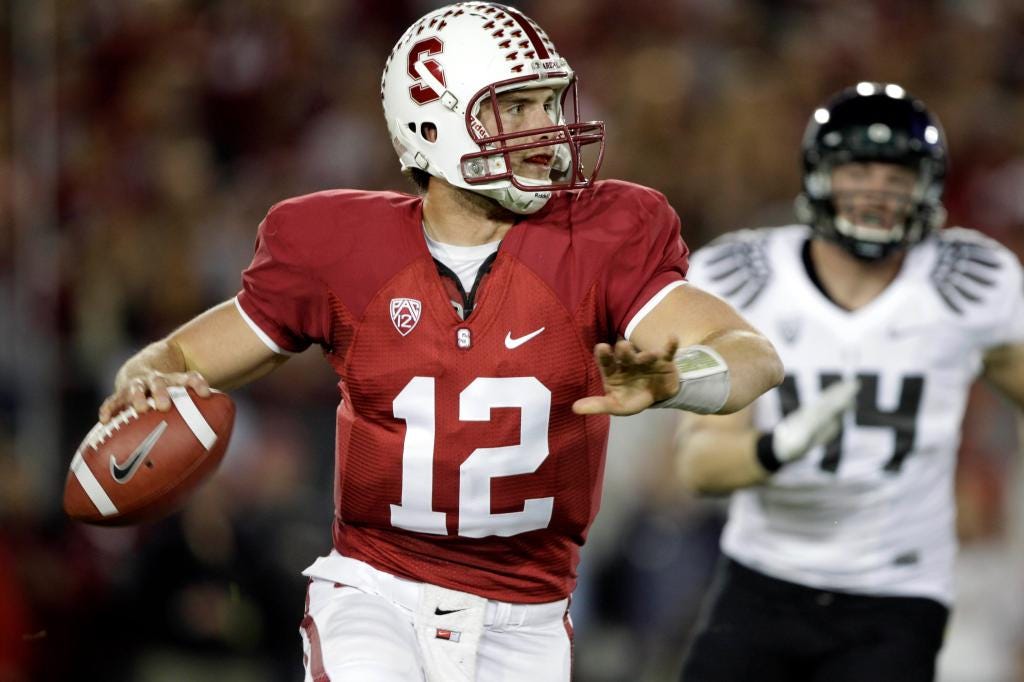
Image 1: Blue Chip Graded QB Andrew Luck (12) at Stanford
Immediate rookie starters with high-end positional tools that allow them to create plays inside and outside of structure. While these players will have technical issues that must be corrected to reach their upside (ex. Footwork, Timing/Placement, Mechanics), the issues should not be egregious or notably difficult to fix. Prospects in this grading bucket have the physical upside to develop into premier starters and be perennial MVP candidates. Examples include Caleb Williams (2024), Trevor Lawrence (2021), and Joe Burrow (2020).
Day One
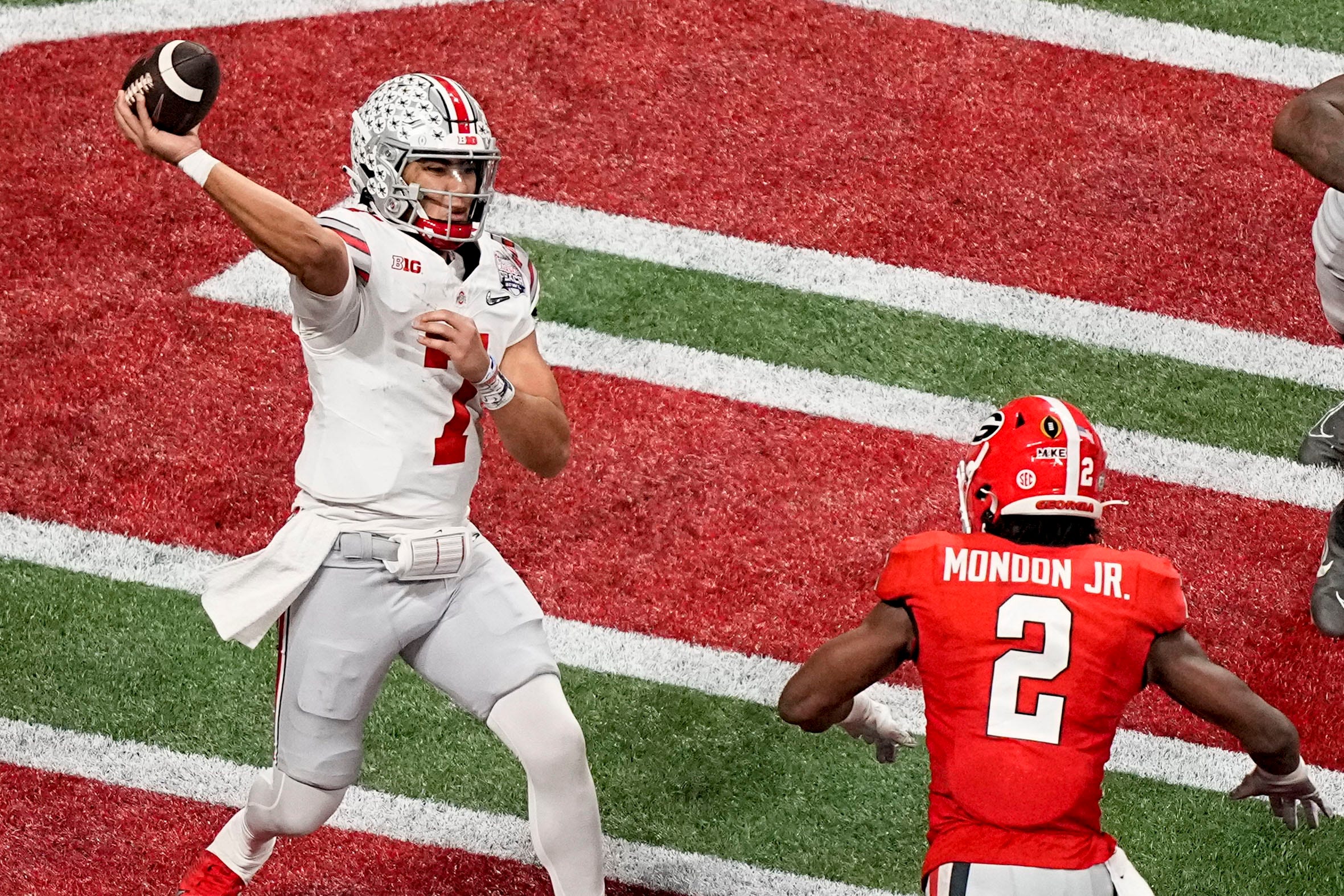
Image 2: Day One Graded QB CJ Stroud (7) at Ohio State
Immediate rookie starters with at least good positional tools and the ability to operate effectively as an in-structure pocket passer. Some of these prospects may have good extension tools (though these are not necessary for a first-round grade), but they are not high-end athletes by non-QB standards and/or have notable physical or technical limitations as pocket passers. These prospects’ technical flaws should not be severe or notably difficult to fix. These players will likely have inconsistent play early in their careers, but they possess a strong combination of ceiling and floor traits to project as realistic long-term QB starters for winning teams. Examples include Cam Ward (2025), Baker Mayfield (2018), and Jared Goff (2016).
Early Day Two
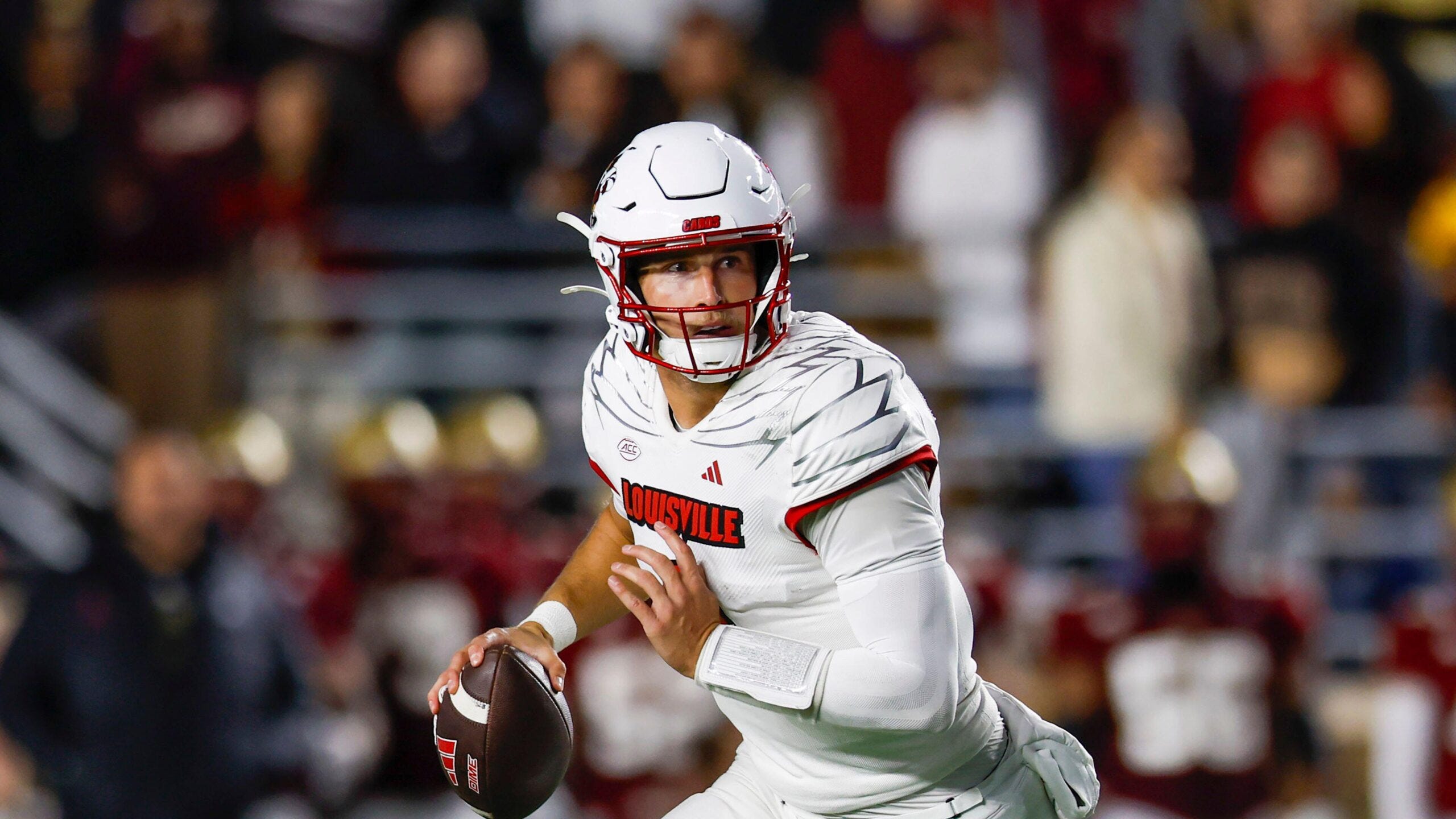
Image 3: Early Day Two Graded QB Tyler Shough (9) at Louisville
This bucket contains two different kinds of QB prospects.
The first consists of developmental project QBs with the physical tools to have day one+ grading, but they are too raw of pocket passers to be playable starters as rookies. While they are raw, they should still have some NFL refinement and should have intangibles that suggest future development (Ex. work ethic, mental processing, consistent improvement, etc). Even though these prospects are raw, they often still get drafted in the first round and start early as rookies. These prospects often flame out due to not being able to make the mental/technical jumps necessary, but the upside of hitting on these toolsy project QBs is immense. Examples include Jackson Dart (2025), Will Levis (2024), and Lamar Jackson (2018).
The second consists of QB prospects with enough traits to be a starting QB, but they lack the high-end physical tools seen in day-one prospects. Typically, these prospects possess a mediocre combination of frame, arm talent, and mobility. Although they are limited, these prospects have good refinement as pocket passers and could be starters as rookies. Due to the value of starting QBs, these prospects often go in the first round despite their lack of upside. Examples include Mac Jones (2021), Teddy Bridgewater (2014), and Andy Dalton (2011).
Mid-to-Late Day Two
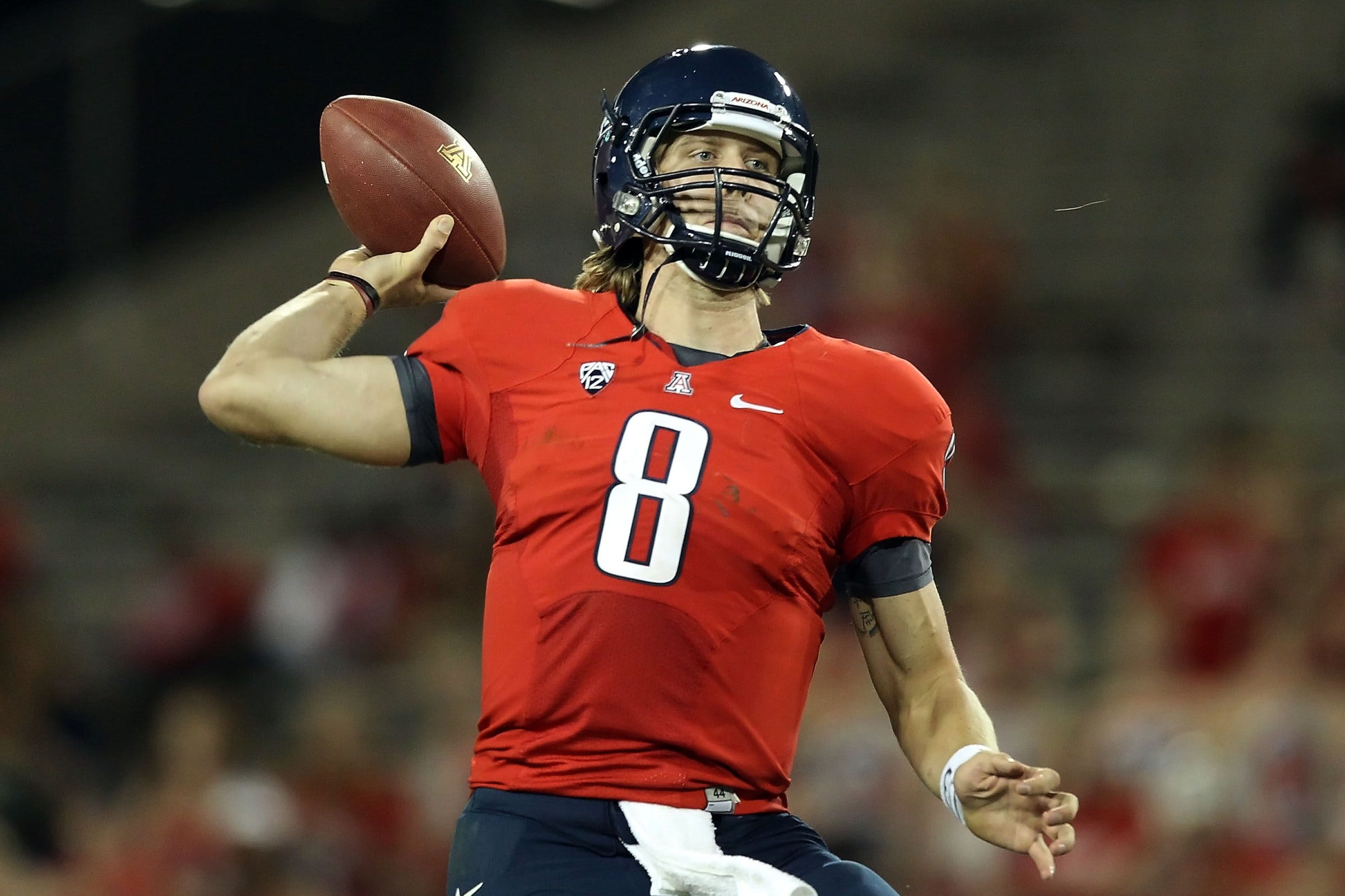
Image 3: Mid-to-Late Day Two Graded QB Nick Foles (8) at Arizona
This bucket contains two different kinds of QB prospects.
The first consists of project QBs with impressive physical traits who are far from being playable NFL pocket passers. These prospects are often players from simple college offenses that did not develop translatable NFL skillsets (timing, pocket movement, etc) or former high-end recruits who stagnated in development despite their talent. Though the development needed is both unlikely and difficult, these QBs can provide significant return on investment if put in the right situation to develop. Examples include Jalen Milroe (2025), Malik Willis (2022), and Jalen Hurts (2020).
The second consists of QBs with some limitations in terms of mobility, arm talent, and/or frame who possess intriguing technical/mental refinement. Whether it’s navigating pressure, throwing with timing, and/or processing the field, these QBs have some pro-ready traits that let them be competent backups as rookies. These players still have potential development, but they generally cap out as high-end backup QBs who are currently on affordable rookie contracts. Examples include Davis Mills (2021), Mason Rudolph (2018), and Jimmy Garoppolo (2014).
Early Day Three
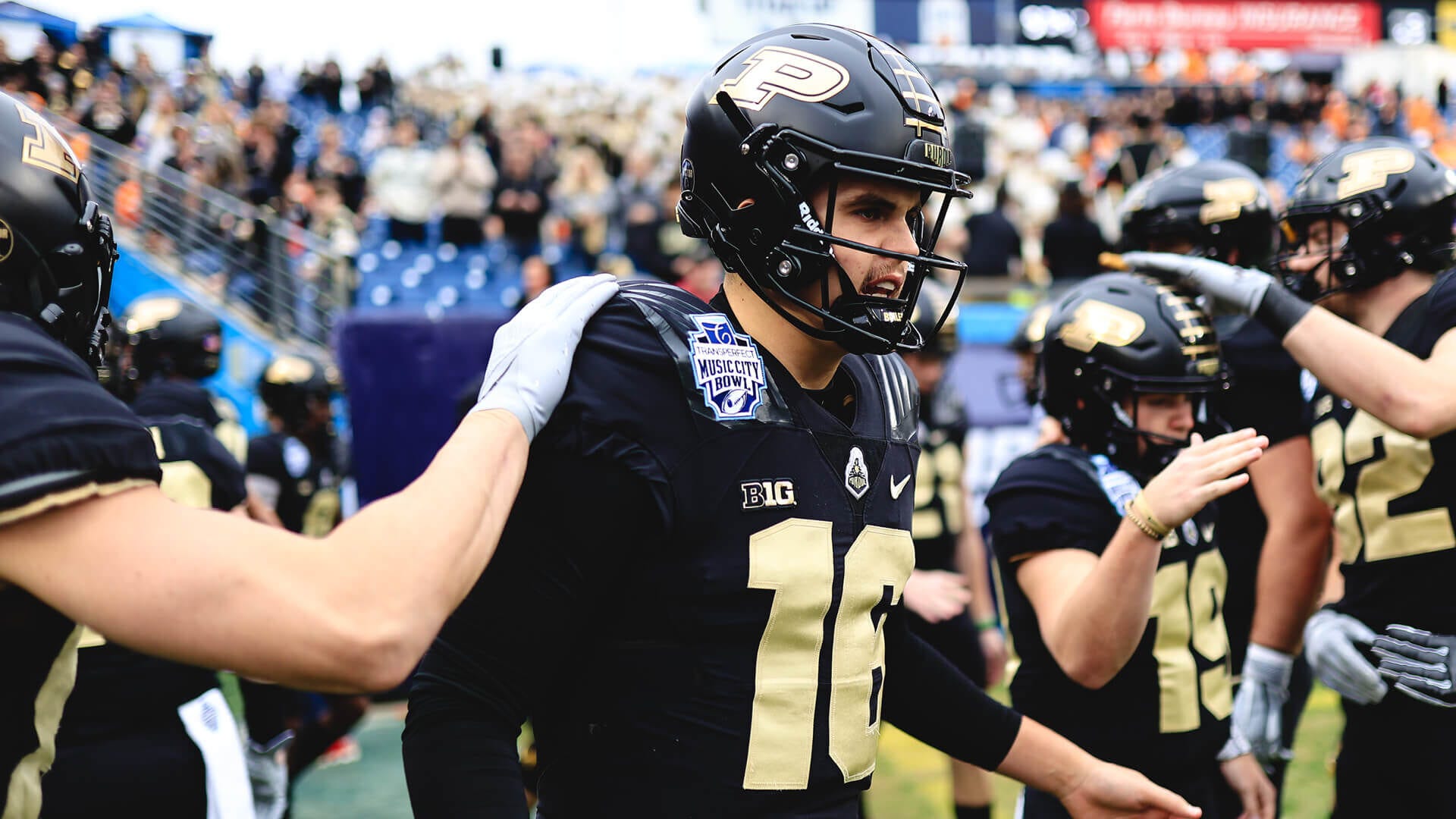
Image 4: Early Day Three Graded QB Aidan O’Connell (16) at Purdue
Backup QBs that possess low-end NFL arm talent, frames, and/or mobility with some NFL passing refinement. Whether they are effective at navigating pressure, throwing with timing, and/or processing the field, these QBs should be locked to make the 53-man roster and compete for a QB2 job as rookies. Though their limitations prevent them from being quality back-ups, these prospects can be capable game managers if they are asked to start in case of injury. Examples include Stetson Bennett (2023), Jarrett Stidham (2019), and Kyle Orton (2005).
Mid-to-Late Day Three
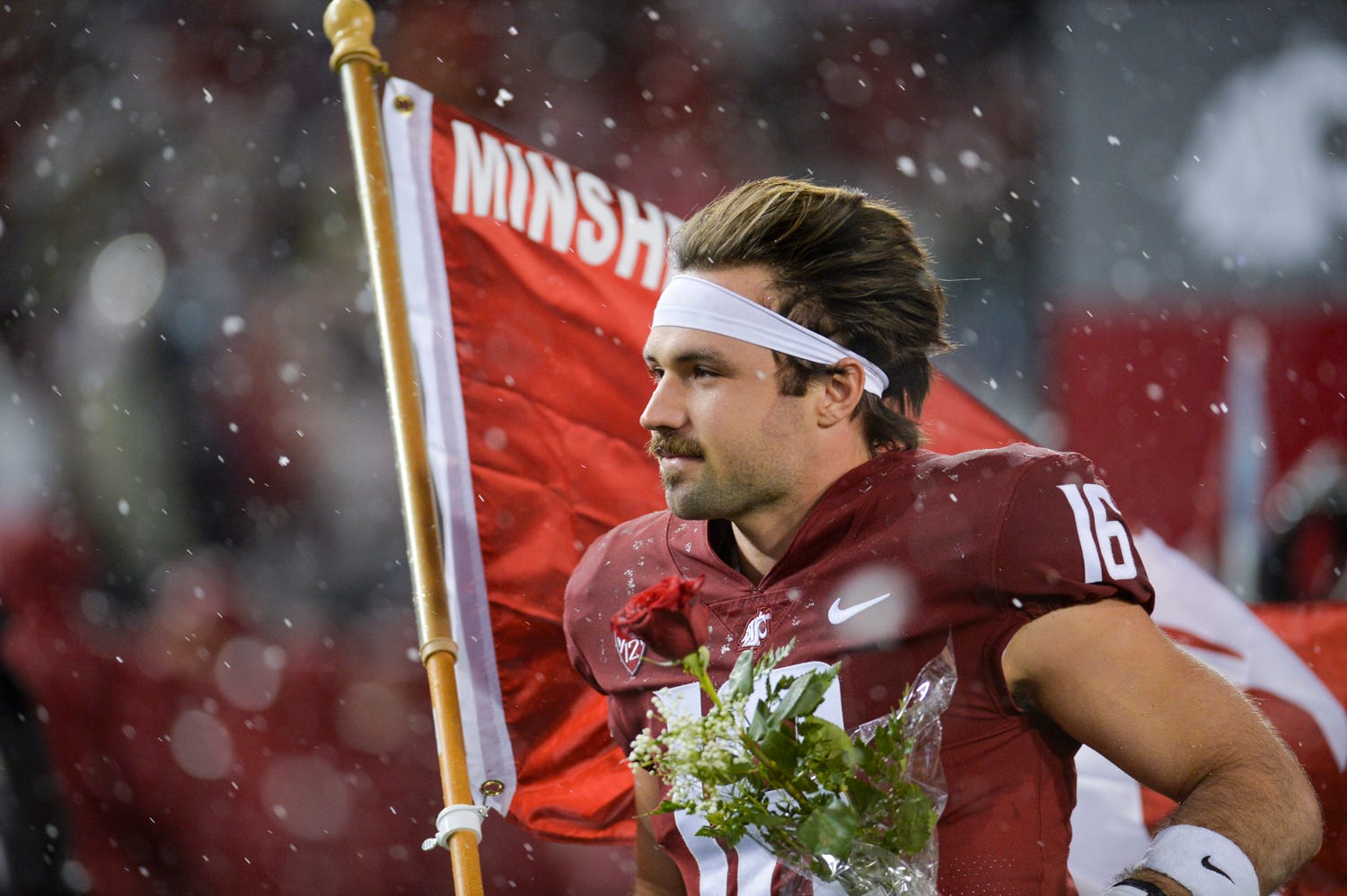
Image 5: Mid-to-Late Day Three Graded QB Gardner Minshew II (6) at WSU
Backup QBs with at least NFL roster-level physical tools, but who lack nuance as pro-styled processors/passers. Due to their deficiencies, these QBs have an uphill battle to make the 53-man roster as rookies. However, these players have intangibles that make their translation into the NFL more plausible. Commonly, these QBs who produced as passers, played with grit/toughness, and/or won a large number of games. Examples include Cam Miller (2025), Max Duggan (2023), and Sam Ehlinger (2021).
PUDFA
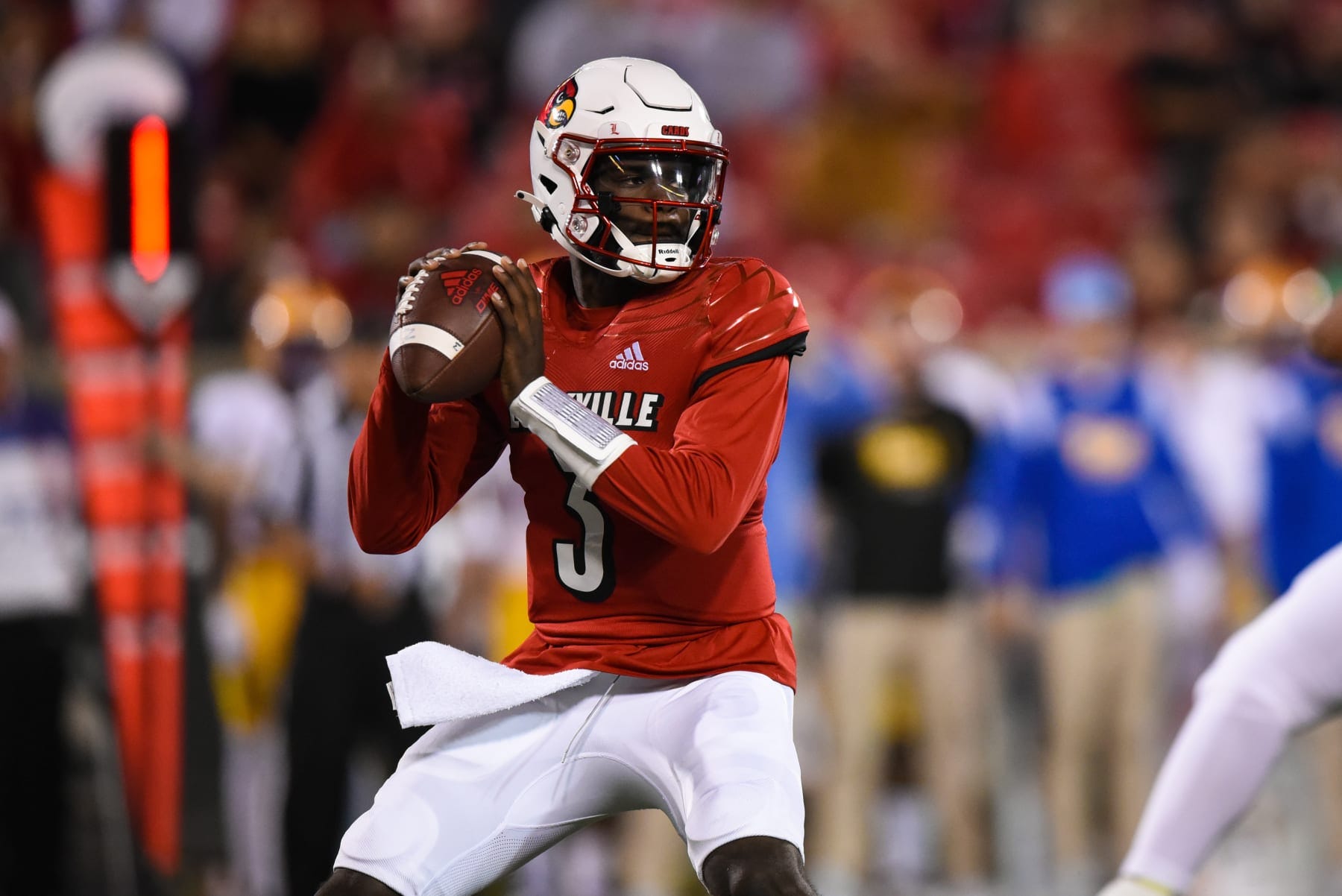
Image 6: PUDFA Graded QB/WR Malik Cunningham (3) at Louisville
High-end movement athletes with major developmental potential as position-convert prospects. Although these players are too limited and/or raw as passers for the NFL, their raw athleticism gives them the potential to carve out a role on an active roster. Though some of these prospects are drafted, they often do not make the team as rookies due to their lack of polish at their new positions. Examples include Tommy Mellott (2025), Tommy Stevens (2020), and Taysom Hill (2017).
UDFA
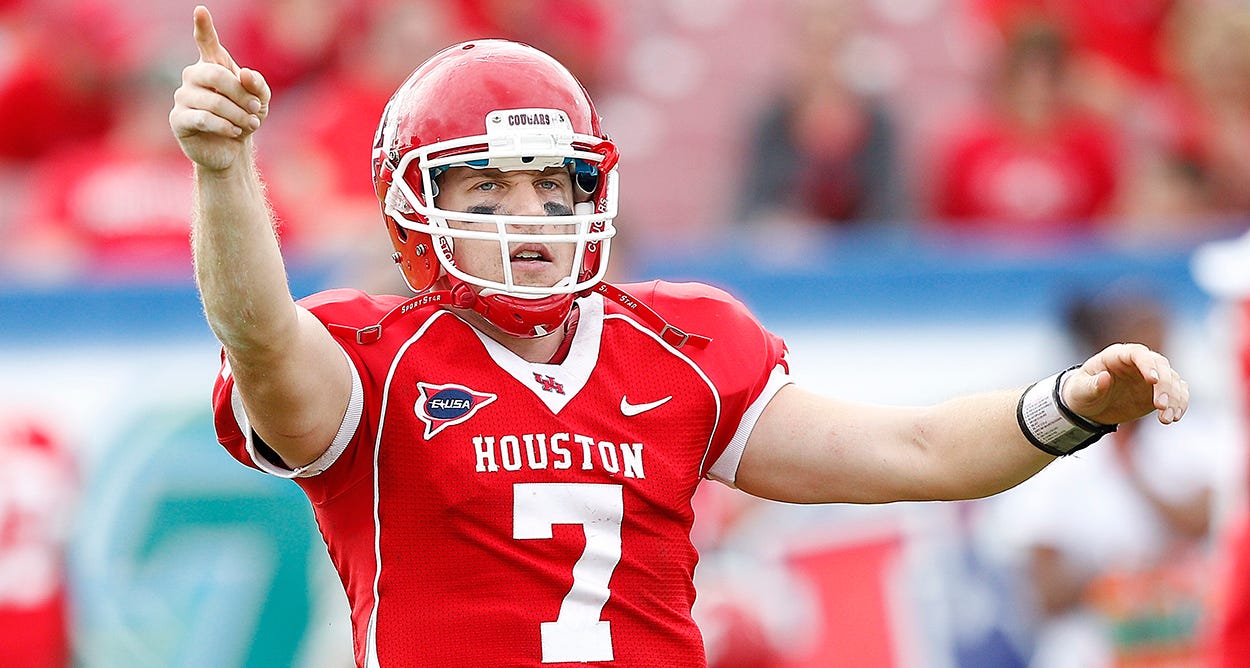
Image 7: UDFA Graded QB Case Keenum (6) at Houston
Back-up QBs who are productive college passers without roster-level physical tools. These prospects cannot be capable backups as rookies, but their ability to operate high-level college offenses suggests they have enough upside to develop into roster-level backup options. Beyond their impact on the field, many of these prospects will stick on rosters/practice squads due to their high-level understanding of football’s Xs and Os. Even if their level of play is subpar, these players’ ability to assist the starter in preparing for opponents makes them valuable additions to a QB room. Examples include Nick Mullens (2017), Taylor Heinecke (2015), and Kellen Moore (2012).
Camp
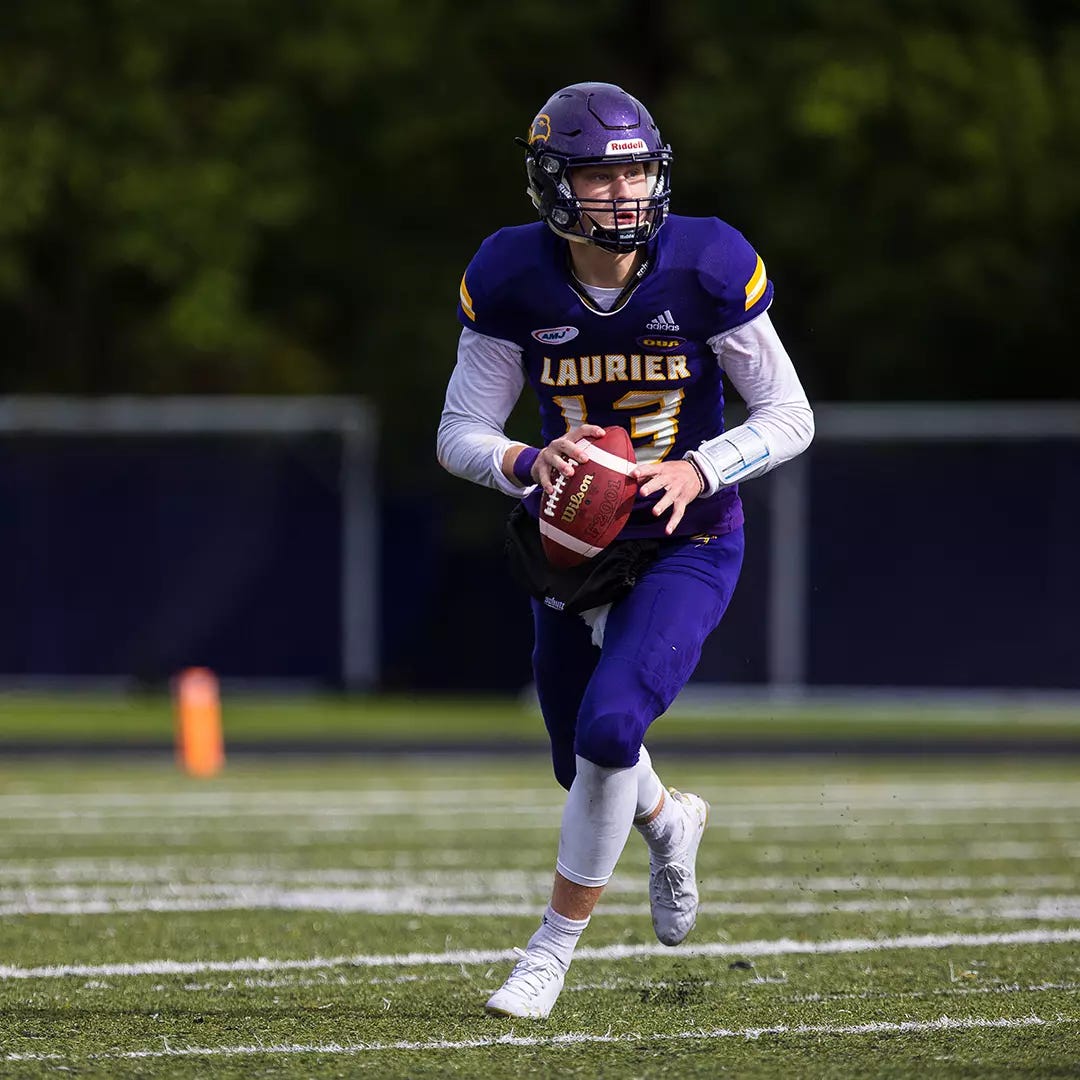
Image 8: Camp Graded QB Taylor Elgersma (6) at Laurier
Backup QBs with NFL roster-level physical tools, but they have major red flags as prospects. Common prospects in this tier are benched seniors, non-D1/NCAA starters, and poor college starters. These QBs have the talent to be roster-level backup QBs, but they have to prove that they can play and process at an NFL level. Examples include Jack Strand (2026), DJ Uiagalelei (2025), and Tyson Bagent (2023).
Reject
College QBs without NFL traits, college production, or intangibles.
Date Published: 07/17/2026
Date Last Updated: 07/17/2026
If you enjoyed my content, then consider sharing my content on social media and subscribing for free to my Substack. If you want a Substack report, grades, or scouting notes on players not published, then consider a paid subscription where subscribers can commission one detailed report per month on a declared/eligible draft prospect, get copies of my personal scouting notes on any prospect I have graded, and request scouting notes/grades on any players I have not watched.