
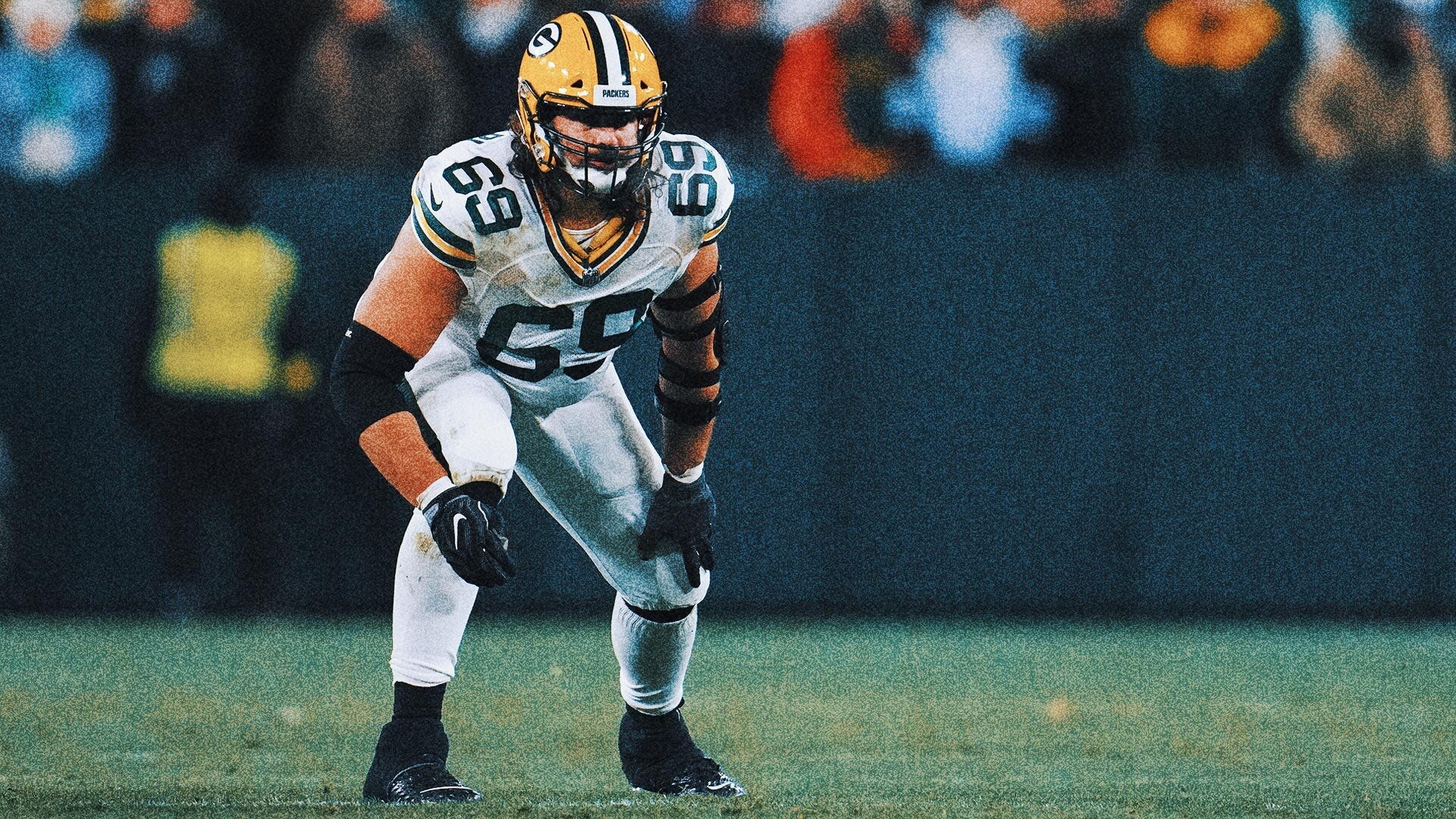
INTRODUCTIONS
My name is Jared Zhang, and I have been doing draft evaluations for the past few draft classes. While I started as a hobbyist, I have been blessed with the opportunity to write for a draft publication and intern for an agent during my scouting journey. As a summer scouting project, I have been revising my grading scale based on the historical trend of prospect profiles and their respective draft ranges. There are going to be factors that impact a player’s stock beyond his play at the collegiate level, but I believe that looking at a large enough sample size should filter out many anomalies in draft falls/rises. By fleshing out the parameters for each grading bucket, I should be able to provide clearer, more consistent grading of prospects.
I will be posting my scale for every position throughout the summer (and likely the 2027 draft process) to act as a reference for my positional big boards and as a scouting tool to anyone breaking into the hobby. While I do believe in my scale, I also recognize that my grading scale is not perfect, and I will continue to develop it further. The series will have a universal description of the individual grading buckets and then go more in-depth for that article’s specific position. Let’s break down the specific draft range behind each bucket.
Grading Buckets
Each drafted grade corresponds to an appropriate draft range. While the ranges are listed, prospects can get drafted in the next highest tier due to positional value, class strength, or team need (Ex. an early day two graded OG getting drafted in the late first round). For undrafted grades, they are split into three separate grades based on their position on the roster and likelihood to make the practice squad/active roster. Any player in one of the three undrafted buckets has the potential to realistically win an NFL practice squad/active roster spot. Reject grades comprise every draft prospect who is simply not talented enough to have an NFL future.
Blue Chip - Top 10 draft selection
Day One - First round draft selection
Early Day Two - Second round draft selection
Mid-to-Late Day Two - Third round draft selection
Early Day Three - Fourth/Fifth round draft selection
Mid-to-Late Day Three - Sixth/Seventh round draft selection
PUDFA - Undrafted free agents immediately signed to a team’s 90-man training camp roster who likely make an active roster/practice squad
UDFA - Undrafted free agents immediately signed to a teams’s 90-man training camp who are mainly competing just for practice squad spots
Camp - Undrafted free agents signed to a rookie mini-camp who are competing to make a 90-man training camp spot. Players generally attend multiple camps, and many do get signed to a team’s training camp.
Reject - Undrafted free agents without the potential to be at least practice squad-level players in the NFL. These prospects often still end up signed to mini-camps and make training camp rosters, but they are not talented enough for the NFL.
Now that we have covered the grades, let’s break down Offensive Tackles.
Blue Chip
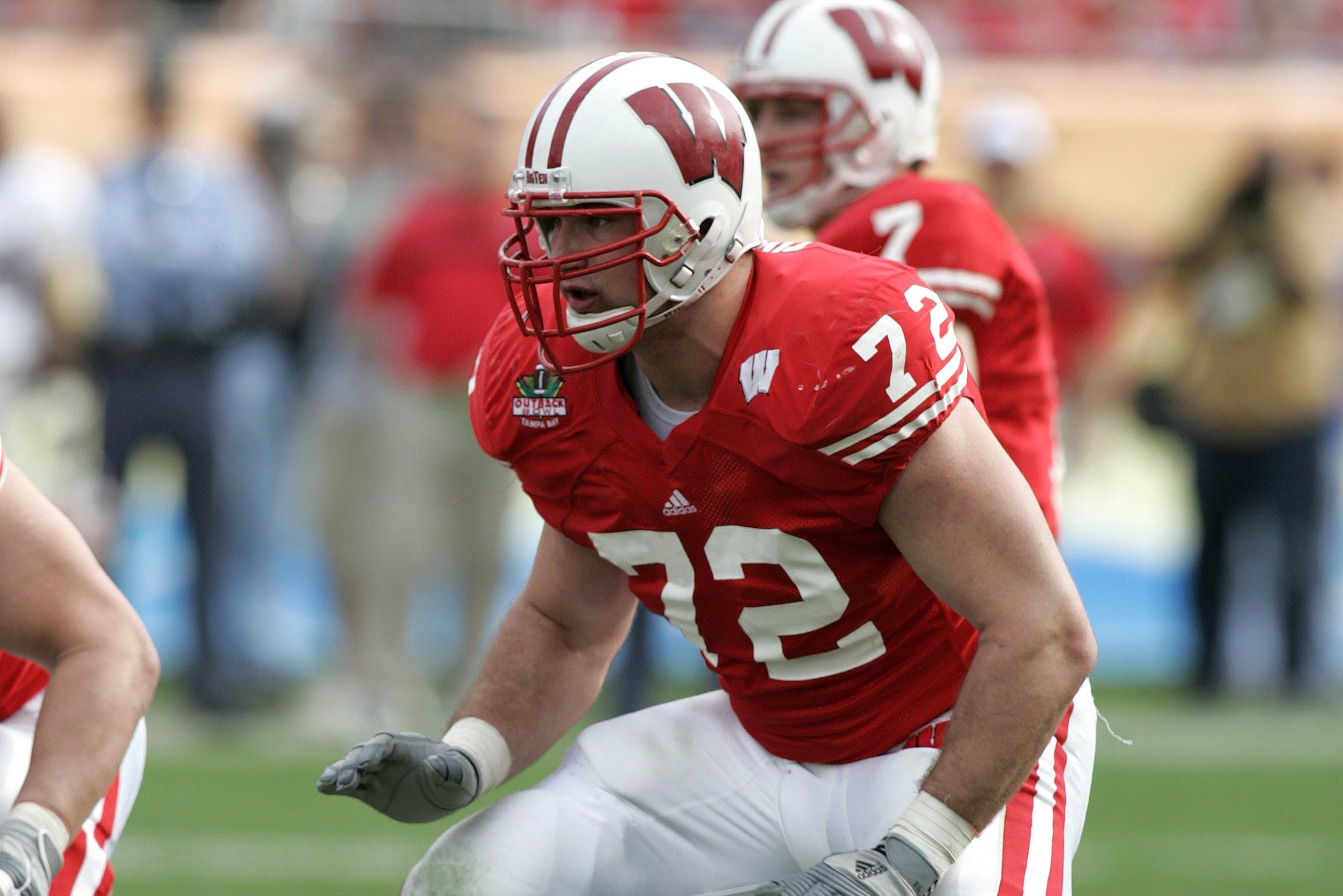
Image 1: Blue Chip Graded OT Joe Thomas (72) at Wisconsin
Immediate starting OTs with high-end physical tools and refinement for college prospects. They should not have any notable physical deficiencies. As pass protectors, these prospects show a great understanding of pass protection fundamentals (Ex., set feet when striking, accurate strike placement, strike timing, etc) and have the athletic tools to recover in poor positions. With a combination of a playable floor and high-end ceiling, Blue Chip OTs have the upside to be generation-defining talents during their primes and be perennial Pro Bowl+ starters. Examples include Joe Alt (2024), Penei Sewell (2021), and Orlando Pace (1997).
Day One
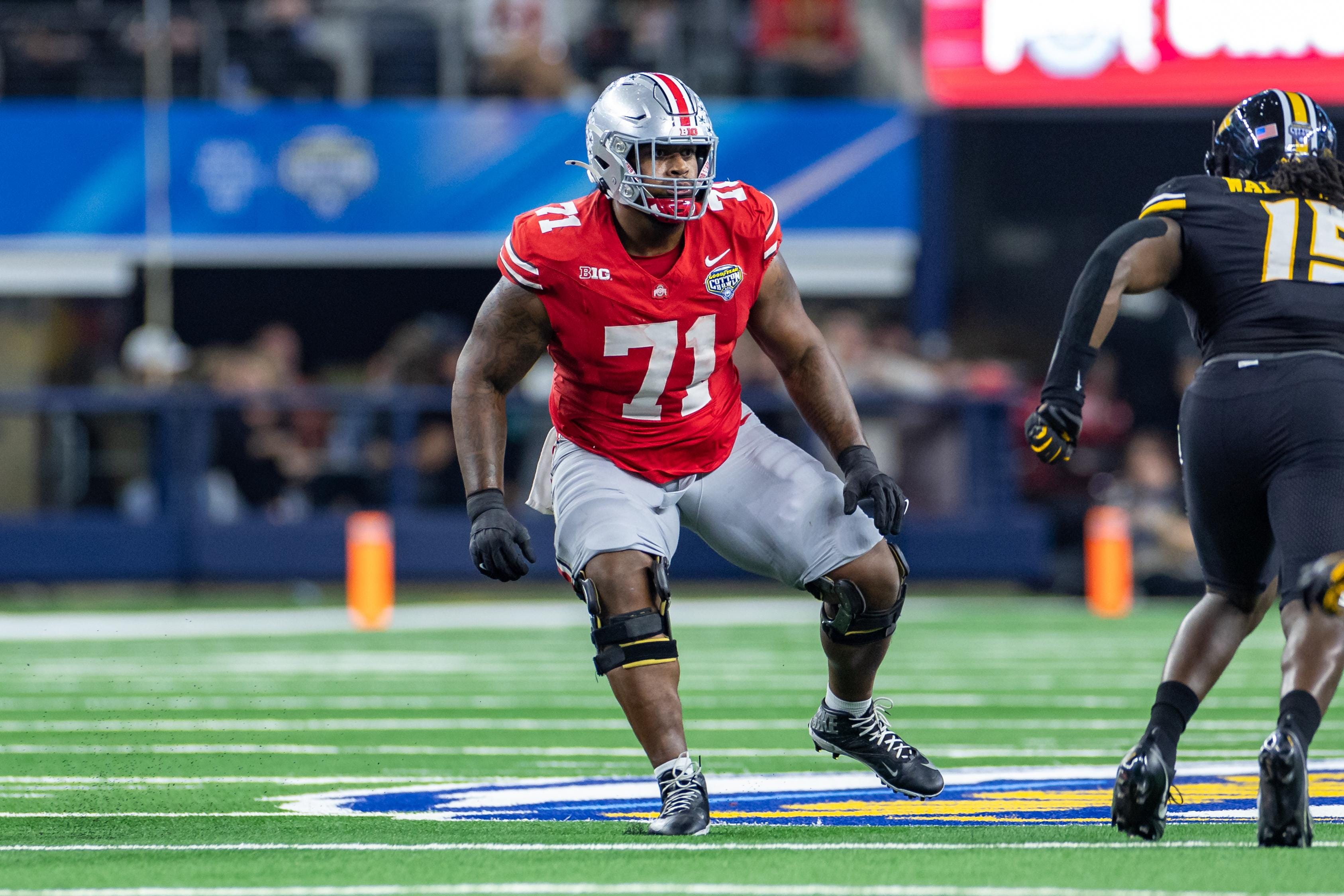
Image 2: Day One Graded OT Josh Simmons (71) at Ohio State
This bucket contains two kinds of prospects:
The first consists of toolsy developmental OTs with high-end movement tools who require significant technical development. In pass protection, these OTs rely heavily on their athletic gifts and have major flaws in their technique. Although raw, they should be refined enough to pass off stunts and avoid quick losses. Some of these OTs enter the NFL much lighter than their ideal playing weight. Despite requiring development, these prospects should be immediate starters with the upside to be perennial Pro Bowl+ starters. Examples include Tyler Guyton (2024), Austin Jackson (2020), and Lane Johnson (2013).
The second consists of OTs with starter-level movement tools and refinement. Because these parameters are broad, Day One OTs have a wide variety of potential body types and athletic profiles. At a minimum, these prospects need to have enough size to anchor against power, foot speed to beat EDGEs to the set point, and fluidity to recover when out of position. A prospect can have notable deficiencies as long as they meet these minimum requirements. These prospects lack the ceiling of other more physically gifted prospects, but they enter the NFL with a playable floor and enough talent to be long-term starters. Examples include Kelvin Banks (2025), Jonah Williams (2019), and Taylor Decker (2016).
Early Day Two
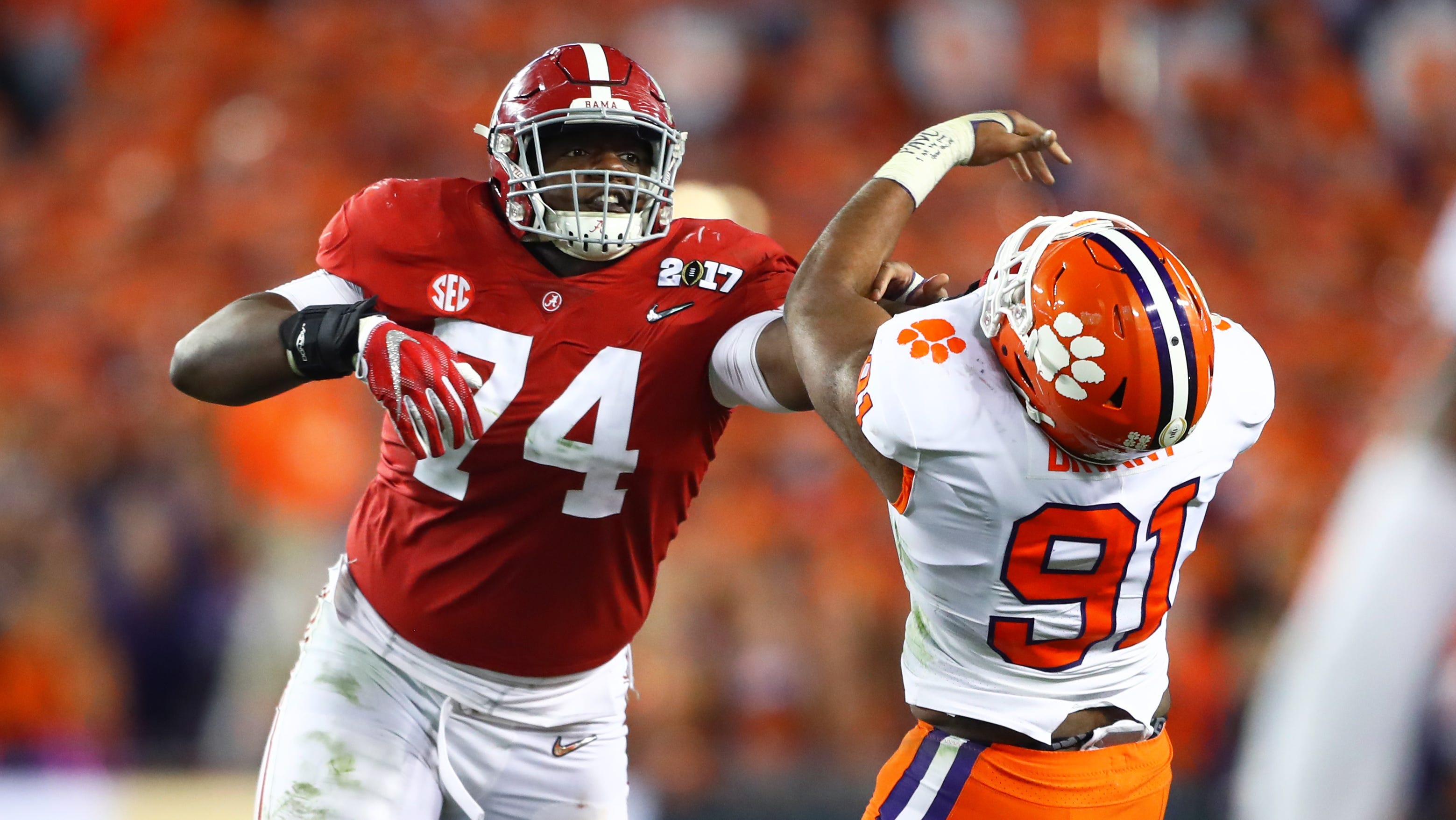
Image 2: Early Day Two Graded OT Cam Robinson (74) at Alabama
This bucket contains two kinds of prospects:
The first consists of OTs with Day One physical traits who are not ready to start as rookies. These OTs need a developmental season for two reasons: technical refinement and/or play strength. In pass protection, they are not refined enough to avoid quick losses and pass off stunts against NFL defensive fronts. Prospects with strength concerns have intriguing movement tools and developmental frames, but they currently lack the play strength to anchor against NFL power. If these prospects fail to make the necessary improvements, then they either slide inside to the IOL or remain as career depth. These prospects have a major adjustment period to the NFL, but they can provide similar long-term value to Day One OTs. Examples include Anthony Belton (2025), Patrick Paul (2024), and Brian O’Neill (2018).
The second consists of OTs with mediocre movement tools but playable technique and size. Because OT is a movement-intensive position, these prospects’ lack of athleticism limits their current and future level of play. These prospects can mitigate some of their athletic deficiencies through schemed help and savviness. For example, a mediocre OT athlete can mitigate their lack of quickness by getting chip help, playing on the slide side, and timing the snap. These prospects should be immediately playable starters as rookies who can cap out as competent starting options. Due to needing schematic assistance, these prospects ideally are paired with a more talented OT starter who can survive with less schemed help. Examples include Luke Goedeke (2022), Jawaan Taylor (2019), and Donovan Smith (2015).
Mid-to-Late Day Two
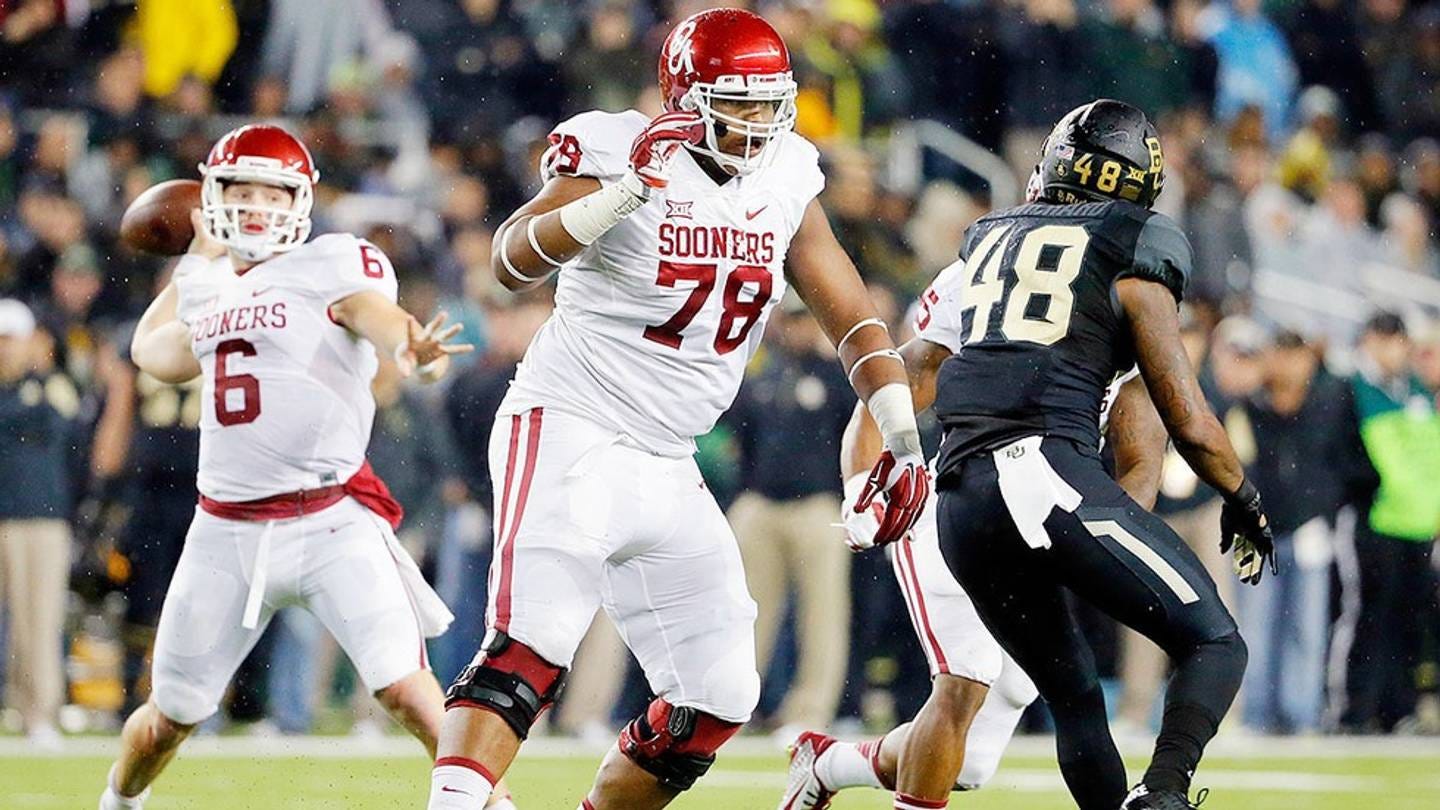
Image 3: Mid-to-Late Day Two Graded OT Orlando Brown Jr (78) at Oklahoma
Developmental OTs who possess a few starter-quality traits but also have major physical and technical deficiencies. For example, a Mid-to-Late OT prospect could be an extremely large OT with poor lateral mobility and inconsistent punches in pass protection. These prospects do need development before being full-time starters, but they should be ready-enough to win swing OT jobs and potentially play as rookies. Though their physical tools give them the potential to develop into long-term starters, majority of these OTs will end up as career depth/spot starters. Examples include Charles Grant (2025), Bernhard Raimann (2022), and Spencer Brown (2021).
Early Day Three
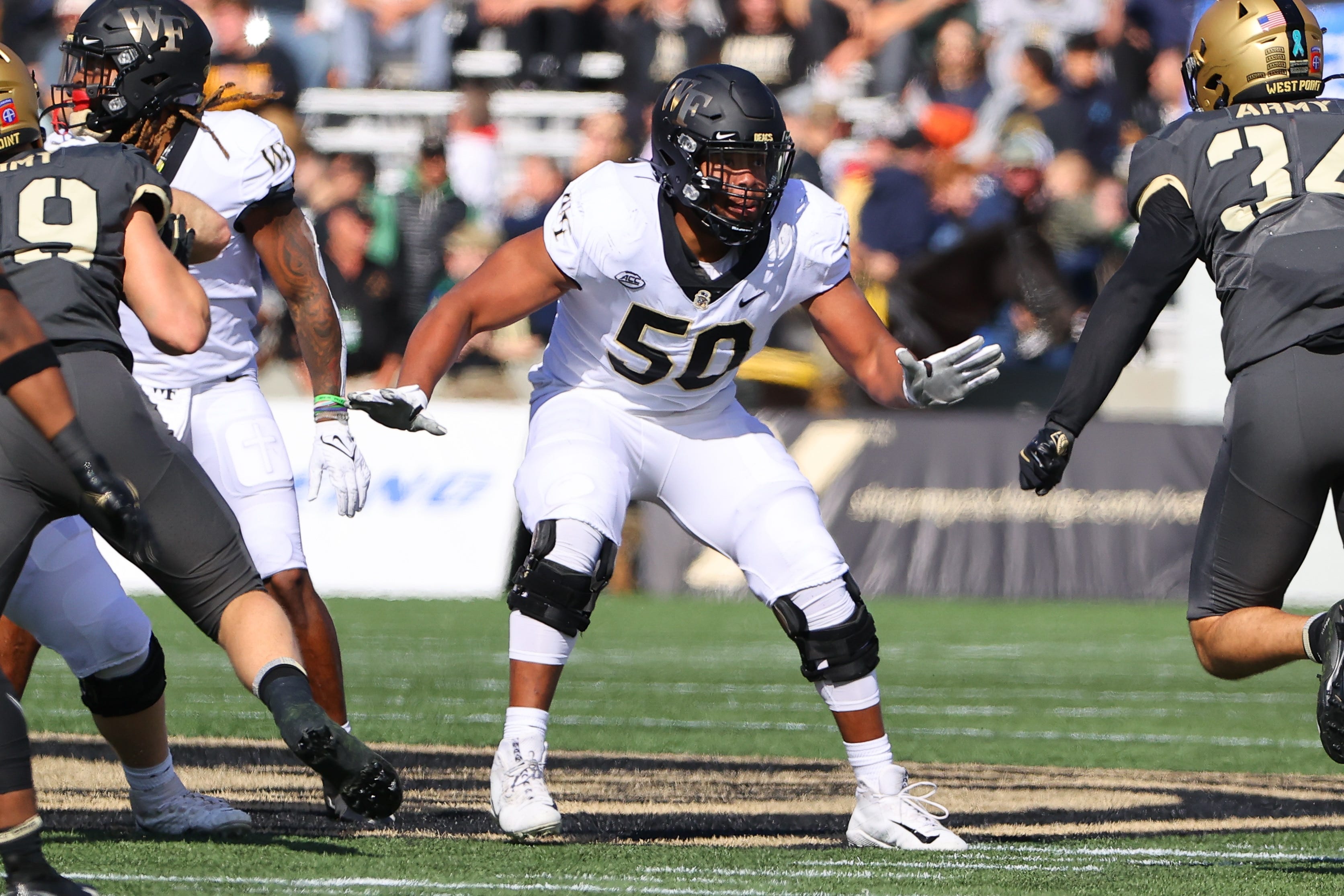
Image 4: Early Day Three Graded OT Zach Bako-Bewele (50) at Wake Forest
This bucket contains two kinds of prospects:
The first consists of OTs with playable refinement and intriguing intangibles (Ex. physicality, positional versatility, etc) who have mediocre physical profiles. Commonly, these prospects are either well-rounded with average positional tools or have some solid traits alongside notable deficiencies. These prospects lack the body type or athleticism to project as realistic long-term OT starters, but they can immediately compete for swing OT jobs as rookies. If given a full-time starting opportunity, then they can be playable bridge starters until their team finds a more talented replacement. Examples include Warren McClendon (2023), Jaylon Moore (2021), and Colton McKivitz (2020).
The second consists of developmental OTs with intriguing physical traits who require substantial development before they can be playable NFL OTs. Early Day Three prospects are similar to Mid-to-Late Day Two prospects, but Early Day Three prospects have a lower playable floor as rookies. By needing major technical and/or physical overhauls, these prospects are not ready to compete for swing OT jobs and begin their career as OT4s/game day inactives. Due to their limited ability to provide value in depth roles with improvement, these prospects often do not last their rookie contract. The majority of these prospects will not reach their upside, but their physical tools are worth a dart throw at this stage in the draft. Examples include Carson Vinson (2025), Blake Freeland (2023), and Darian Kinnard (2022).
Mid-to-Late Day Three
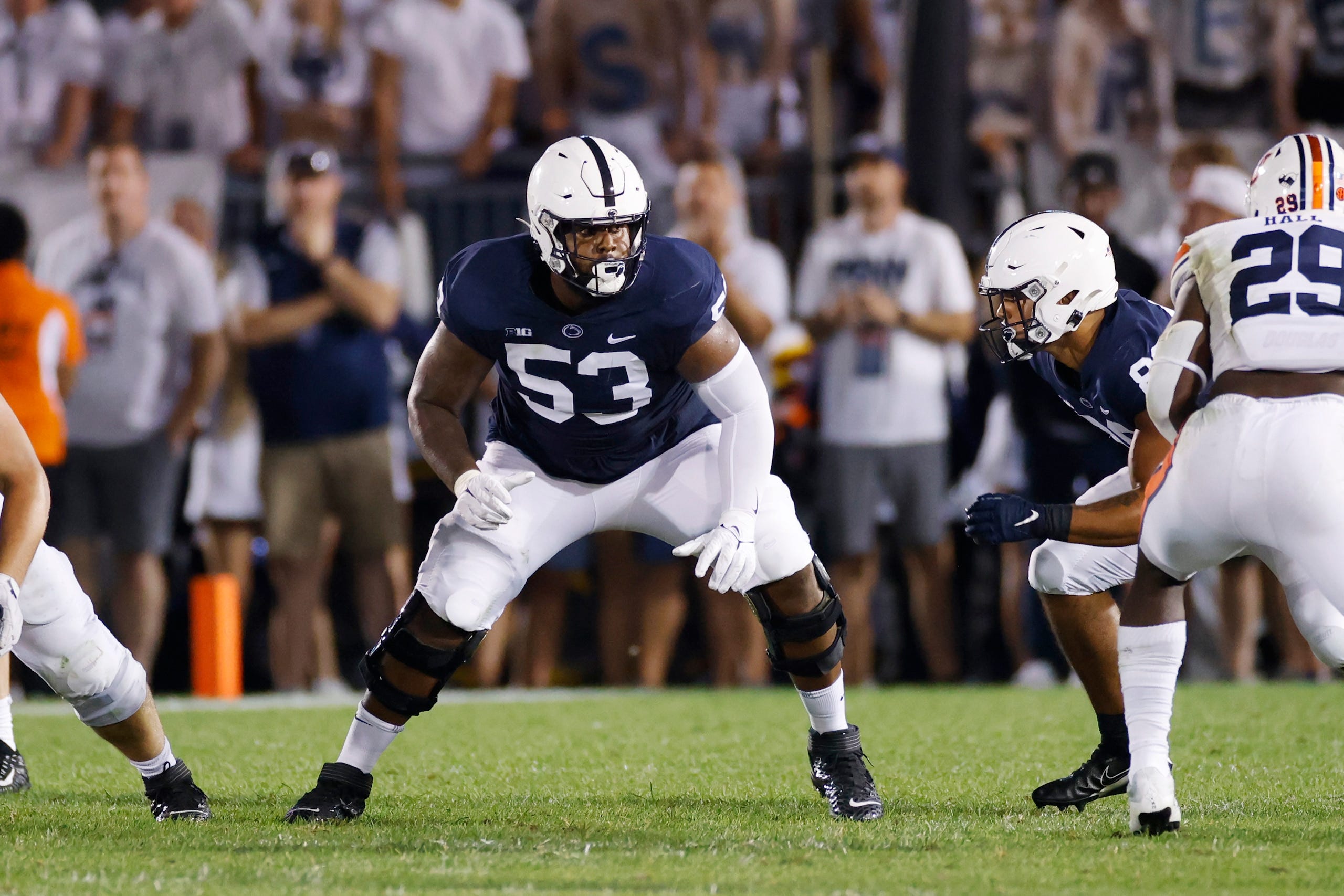
Image 5: Mid-to-Late Day Three Graded OT Rasheed Walker (53) at Penn State
OTs with at least one quality NFL physical trait who have notable physical and technical deficiencies. Due to this, they are unnable to provide playable swing OT play as rookies. They lack complete NFL physical profiles, but they can develop into competent swing OTs due to having NFL-level mobility or play strength. By having a low ceiling and initial floor, Mid-to-Late Day Three OTs find themselves on the roster bubble as rookies. If they are unnable to develop into OT or position-versatile depth, then these OTs are often waived before the end of their rookie contract. Examples include Nathan Thomas (2024), Thayer Munford (2022), and Cole Van Lanen (2021).
PUDFA
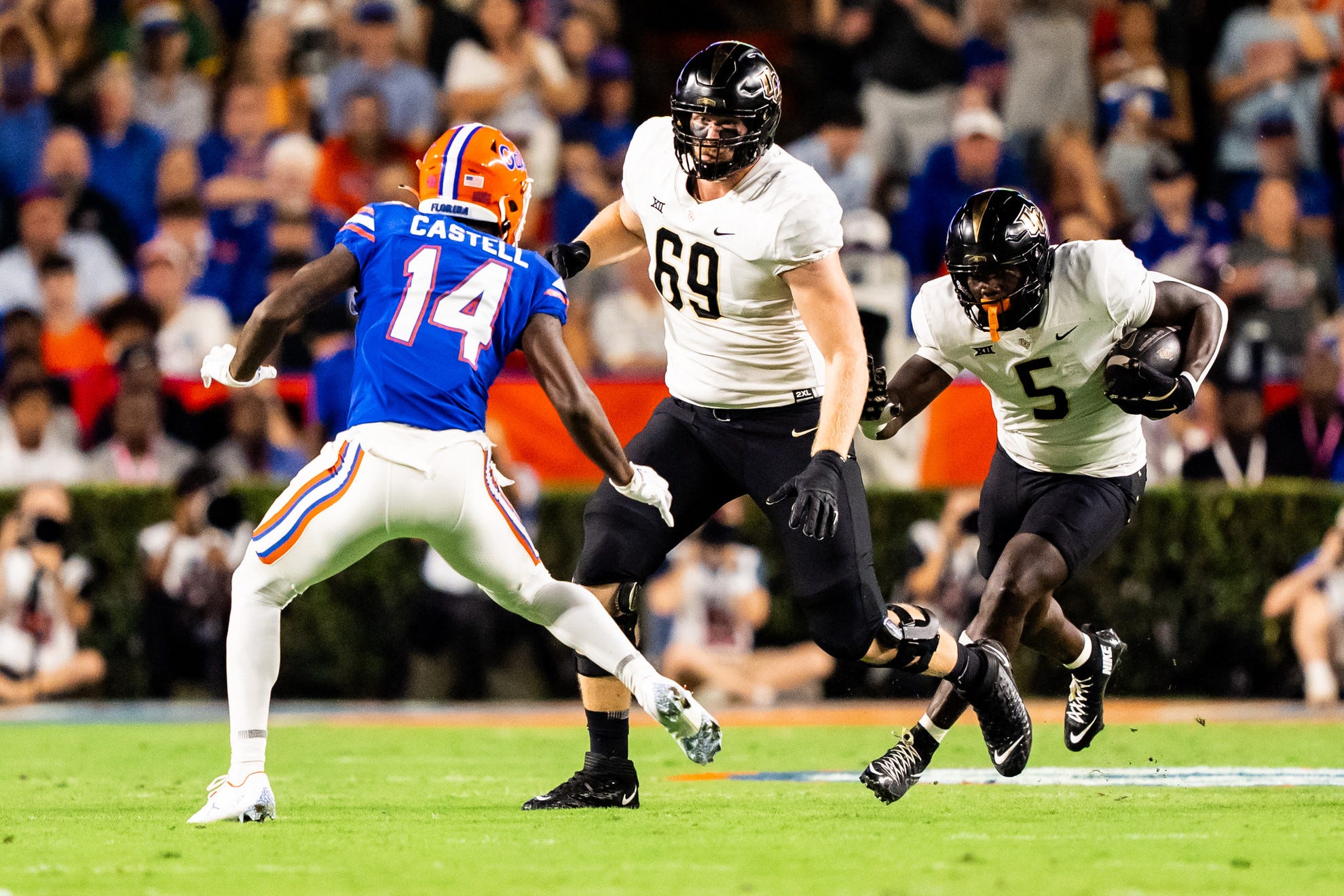
Image 6: PUDFA Graded and IPP-Eligible OT Paul Rubelt (69) at UCF
OTs with intriguing frame and movement traits whose current level of play is far below NFL standards. These prospects fall into one of two groups: talented athletes with minimal OT experience or inconsistent college starters. The first group generally consists of recent position converts, former non-football athletes, or IPP-eligible international players. The second group is college starters whose physical tools have not translated into quality starter play. PUDFA OTs are too raw and unreliable to reasonably win depth OT jobs. Given positional value and IPP-eligibility, NFL front offices often spend draft picks on PUDFA OTs to avoid fighting for these prospects on the open post-draft free agency market. Examples include Jake Witt (2023), George Fant (2016), and Jason Peters (2004).
UDFA
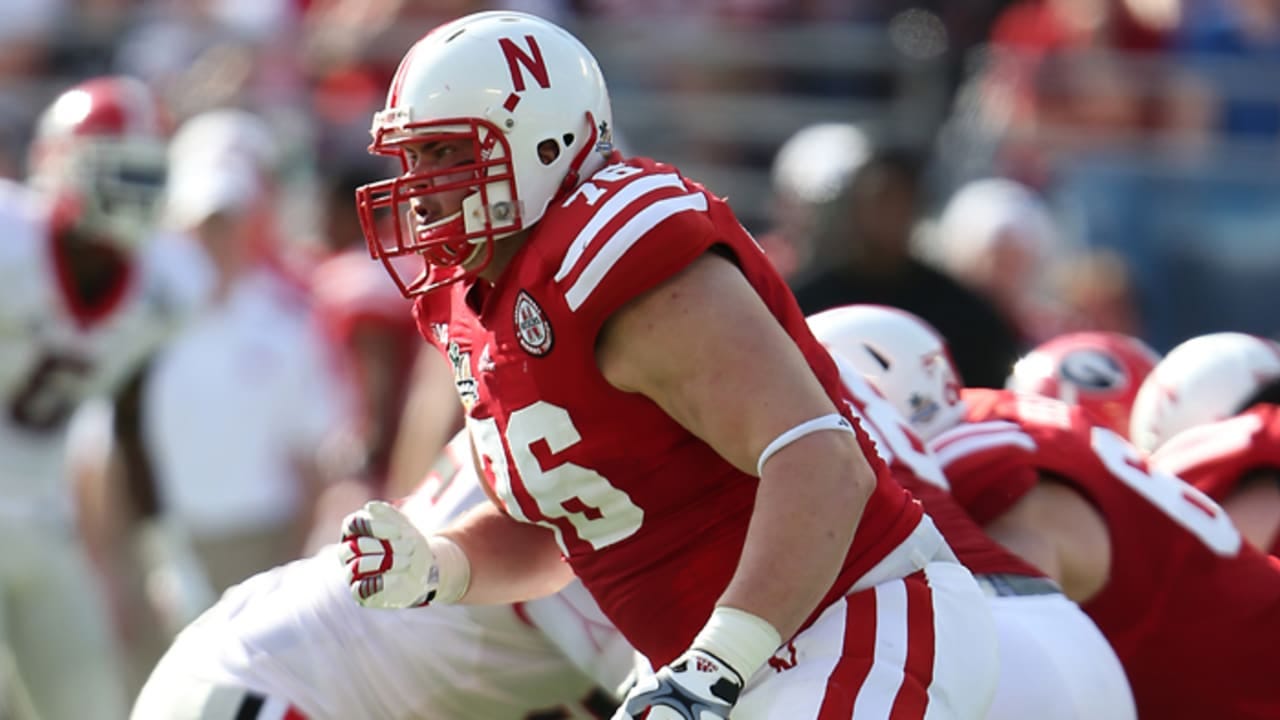
Image 7: UDFA Graded OT Brent Qvale (69) at Nebraska
This bucket contains two kinds of prospects:
The first consists of OTs with NFL-caliber OT frames and play strength who lack sufficient OT movement tools. These prospects will have issues in pass protection that stem from their lack of athleticism, but they will provide value as depth due to their ability to anchor against NFL power. As their peaks, UDFA OTs can develop into a depth OT who develop playable positional versatility. To play at this level, these OTs need to have considerable refinement, savvy, and effort to mitigate some of their athletic limitations. Most of these prospects will end up being roster-bubble depth OTs who are familiar faces during training camp and preseason. Examples include Hollin Pierce (2025), Jake Curhan (2021), and Fred Johnson (2019).
The second consists of OTs with NFL-caliber movement tools, but they have poor frames that need major strength development. By being below weight thresholds for the NFL, these prospects will need time in NFL weight rooms before they can handle blocking against NFL power on offense or special teams. If they are able to gain size without losing a large amount of athleticism, then these UDFA OTs have enough physical talent to be NFL-caliber depth. Some will remain as swing OTs, but others will move inside to the IOL. Examples include Brett Toth (2018), Daniel Burnskill (2017), and Chris Hubbard (2013)
Camp
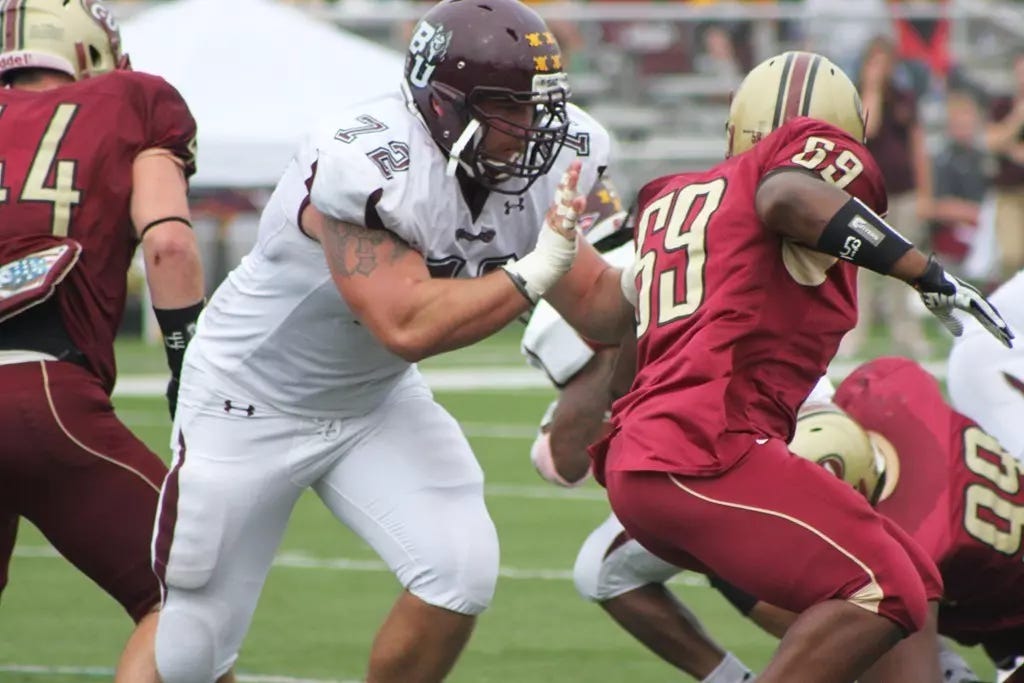
Image 8: Camp Graded OT Matt Feiler (72) at Bloomsburg
OT with poor physical profiles who were productive multi-year collegiate starters. These prospects often cross-train at multiple positions to maximize their utility as physically limited depth. Although their lack of physical tools makes their NFL translation questionable, Camp OTs’ experience allows them to take preseason snaps from resting starters. Due to the traits-driven nature of NFL trench play, the majority of Camp OTs will fail to build NFL careers beyond training camp. However, a few Camp OTs can carve out NFL careers as position-versatile depth. Noah Atagi (2024), Garrett McGhin (2019), and Michael Dunn (2017).
Reject
OTs who lack the NFL caliber physical tools to perform special team or offensive roles at an NFL level
Date Published: 09/03/2026
Date Last Updated: 09/03/2026
If you enjoyed my content, then consider sharing my content on social media and subscribing for free to my Substack. If you want a Substack report, grades, or scouting notes on players not published, then consider a paid subscription where subscribers can commission one detailed report per month on a declared/eligible draft prospect, get copies of my personal scouting notes on any prospect I have graded, and request scouting notes/grades on any players I have not watched.